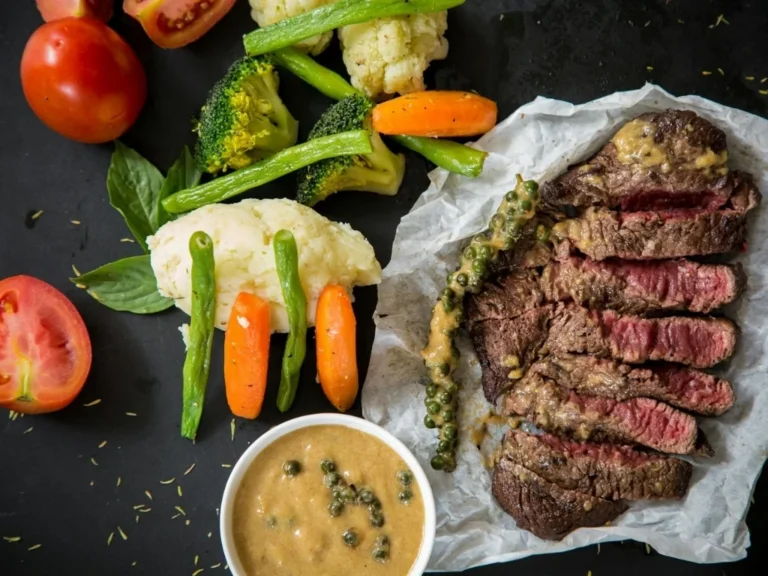









Living with anemia often means dealing with constant fatigue, weakness, and low energy that can interfere with daily life. While medical treatment is essential, what you eat plays a meaningful role in supporting healthy iron levels. A structured approach makes this easier than trying to piece together “iron-rich” meals on the fly.
This 7-day anemia diet plan is designed to provide steady, balanced iron intake throughout the week using accessible foods. Rather than focusing on extreme dietary changes, it emphasizes consistency, absorption-friendly pairings, and meals that fit into real life. Whether you’ve been recently diagnosed or are looking for food-based support alongside treatment, this plan offers a practical starting point.

What is anemia and why iron matters
Anemia occurs when your body doesn’t have enough healthy red blood cells to carry oxygen efficiently. One of the most common forms is iron-deficiency anemia, which happens when iron intake, absorption, or storage is insufficient.
Iron is required to form hemoglobin, which enables red blood cells to deliver oxygen where it’s needed. When iron levels drop, oxygen delivery declines, leading to symptoms such as persistent tiredness, dizziness, headaches, pale skin, and shortness of breath.
Types of dietary iron
Iron in food comes in two forms:
- Heme iron, found in animal-based foods like red meat, poultry, and fish, is absorbed more efficiently by the body.
- Non-heme iron, found in plant-based foods such as legumes, leafy greens, nuts, seeds, and fortified grains, is absorbed less efficiently but still contributes meaningfully when consumed consistently.
Both types can support iron intake, especially when meals are planned thoughtfully and paired with nutrients that enhance absorption.
How diet supports healthy iron levels
Diet alone cannot correct all cases of anemia, but it plays a key role in replenishing iron stores and preventing further depletion. The goal is not just to consume iron-rich foods, but to improve how well your body absorbs and uses that iron.
Vitamin C significantly increases non-heme iron absorption, which is why pairing iron-containing foods with fruits or vegetables like citrus, berries, bell peppers, or tomatoes is important. On the other hand, certain compounds can reduce iron absorption if consumed too close to iron-rich meals.
Iron-boosting foods vs. iron blockers
Foods that support iron absorption include:
- Citrus fruits
- Strawberries
- Bell peppers
- Tomatoes
- Broccoli
Foods and drinks that may inhibit absorption when consumed with iron-rich meals:
- Tea and coffee
- Calcium-rich foods eaten at the same time
- Large amounts of bran or unsoaked grains
Spacing these appropriately helps maximize the benefit of an iron-focused eating plan.
Before you start this 7-day plan
This 7-day anemia diet plan is intended for adults managing low iron levels through food, whether alongside medical treatment or as a preventive strategy. It is not a replacement for professional care, especially for those with severe anemia, chronic illness, or ongoing blood loss.
If you are pregnant, have gastrointestinal conditions affecting absorption, or are taking iron supplements, it’s important to follow guidance from a healthcare provider. Dietary iron works best as part of a broader plan that includes monitoring symptoms and lab values.
Approach this as a supportive anemia diet plan, designed to be repeated or adapted over time rather than followed once and abandoned.
The 7-day anemia diet plan
This weekly structure includes three main meals per day with optional snacks. Portions can be adjusted based on individual needs, appetite, and medical guidance. The focus is balance, not restriction, making this a sustainable meal plan for anemia.
Day 1
- Breakfast: Scrambled eggs with spinach and whole-grain toast, plus orange slices
- Lunch: Lentil soup with tomatoes and carrots
- Dinner: Grilled chicken with quinoa and roasted bell peppers
- Snack (optional): A small handful of pumpkin seeds
Why it helps: Combines heme and non-heme iron with vitamin C-rich vegetables.
Day 2
- Breakfast: Iron-fortified oatmeal topped with strawberries
- Lunch: Turkey and leafy green wrap with hummus
- Dinner: Baked salmon with brown rice and steamed broccoli
- Snack: Yogurt (between meals, not with iron-rich foods)
Why it helps: Supports iron intake while spacing calcium appropriately.
Day 3
- Breakfast: Smoothie with spinach, banana, and citrus juice
- Lunch: Chickpea and vegetable stir-fry
- Dinner: Lean beef strips with sautéed kale and sweet potatoes
- Snack: Fresh fruit
Why it helps: Lean red meat provides highly absorbable heme iron.
Day 4
- Breakfast: Whole-grain toast with peanut butter and kiwi
- Lunch: Quinoa salad with black beans, tomatoes, and lemon dressing
- Dinner: Roast chicken with lentils and green beans
- Snack: Trail mix with nuts and dried fruit
Why it helps: Combines plant and animal sources of iron.
Day 5
- Breakfast: Eggs with mushrooms and tomatoes
- Lunch: Sardines on whole-grain crackers with a side salad
- Dinner: Tofu and vegetable curry served with rice
- Snack: Citrus fruit
Why it helps: Supports iron intake across multiple food sources.
Day 6
- Breakfast: Fortified cereal with berries
- Lunch: Lentil and spinach stew
- Dinner: Grilled turkey with roasted vegetables
- Snack: Dark chocolate (small portion)
Why it helps: Maintains consistent iron intake throughout the day.
Day 7
- Breakfast: Smoothie bowl with fortified grains and fruit
- Lunch: Bean and vegetable soup
- Dinner: Baked fish with quinoa and sautéed greens
- Snack: Nuts or seeds
Why it helps: Completes the week with variety and balance.
This 7-day anemia diet plan can be repeated weekly or modified based on preferences and seasonal availability. It functions as an iron rich meal plan without relying on extreme change or restrictive eating.
Weekly grocery list
Planning ahead makes consistency easier. Here’s a general shopping list to support this menu plan for anemia:
Proteins:
Lean beef, chicken, turkey, eggs, fish, tofu, lentils, chickpeas, beans
Vegetables:
Spinach, kale, broccoli, bell peppers, tomatoes, carrots, green beans
Fruits:
Oranges, strawberries, kiwi, bananas, berries
Grains and Legumes:
Quinoa, brown rice, iron-fortified cereal, whole-grain bread
Pantry Staples:
Nuts, seeds, olive oil, herbs, spices
Tips to improve iron absorption
Small adjustments can make a noticeable difference in how much iron your body absorbs from food:
- Pair iron-rich meals with vitamin C sources
- Avoid tea or coffee within one to two hours of iron-rich meals
- Spread iron intake across the day rather than concentrating it in one meal
- Cook with cast iron cookware when possible
- Maintain regular meal timing to support digestion and absorption
Common mistakes to avoid on an anemia diet
Even with good intentions, some habits can limit progress:
- Skipping meals or under-eating
- Relying solely on supplements without dietary support
- Consuming iron inhibitors too close to meals
- Expecting symptoms to resolve within days
Improving iron levels takes time and consistency, even with a structured approach.
FAQs about the 7-day anemia diet plan
How long does it take to improve iron levels with diet?
Dietary changes may support gradual improvement over weeks to months, depending on the severity of the deficiency and individual absorption.
Can vegetarians follow this plan?
Yes, with careful planning and consistent vitamin C pairing, plant-based diets can support iron intake.
Can this plan be repeated weekly?
Yes. Many people repeat this 7-day anemia diet plan or adapt it as a rotating weekly structure.
Is this safe alongside iron supplements?
In most cases, yes, but supplementation should always follow medical guidance to avoid excess intake.
Why working with a nutritionist matters when managing anemia
While a structured eating plan can provide meaningful support, anemia is rarely one-size-fits-all. Even a well-designed 7-day anemia diet plan may need adjustments based on factors such as age, sex, underlying health conditions, absorption issues, and whether iron loss is ongoing. This is where working with a qualified nutritionist becomes especially valuable.
A nutritionist can assess your current intake, review lab results, and tailor food choices to your specific needs and symptoms. They can also help identify factors that interfere with iron absorption, including digestive health concerns, medication use, or restrictive dietary patterns.
For individuals following plant-based diets, managing anemia during pregnancy, or combining dietary changes with iron supplementation, professional guidance reduces guesswork and lowers the risk of common mistakes. Rather than focusing only on increasing iron, nutritionists take a whole-body approach that supports energy, gut health, and long-term sustainability.
Take the next step toward better iron health with Health Loft
Managing anemia is an ongoing process that benefits from consistency, monitoring, and personalized support. While this 7-day anemia diet plan offers a practical foundation, individualized guidance can help ensure it aligns with your health history, lab values, and lifestyle.
Health Loft connects you with nutrition professionals who can help you adapt meal plans, address absorption challenges, and make informed decisions about supplementation when needed. If you’re experiencing persistent symptoms, struggling to improve iron levels, or unsure how to tailor your diet safely, working with a nutritionist specialized in anemia can provide clarity and confidence.
Explore Health Loft’s nutrition services to move beyond generic advice and build a plan that supports sustainable iron health over time.
This article was reviewed by Adrienne DePaul, MS, RDN. It is intended for informational purposes only and does not replace personalized nutritional advice.