








How you interact with food tends to change during pregnancy. There may be days when you can’t stand the smell of coffee, even if you used to drink it every day before you got pregnant. Sometimes, you’ll find yourself wanting to pair ice cream with pickles straight out of the jar, or wanting another odd food combination you wouldn’t even consider eating on a normal day.
Pregnancy cravings are as real as any other experience that comes with conception, and yet many people are surprised to learn that researchers still don’t fully understand why they happen.
This article looks into what experts have uncovered so far about pregnancy cravings: when they start, why they happen, and how to manage them (as well as managing food aversions, which lie on the other end of the spectrum), all while ensuring a healthy pregnancy.

Are pregnancy cravings normal?
Yes, intense food cravings are normal and, in fact, very common during pregnancy. They typically appear during the first and second trimesters, with many pregnant individuals experiencing them, according to research and clinical observations.
This being said, it is also completely normal to have no cravings at all throughout pregnancy. Cravings, if present, can vary from one pregnant individual to the next. Some people crave very specific foods, while others are drawn to certain flavor profiles, textures, temperatures, or combinations.
Why do pregnancy cravings happen?
Researchers have yet to fully understand exactly why pregnancy cravings happen, but it is likely caused by a combination of several factors. Hormonal changes are among the leading explanations.
During pregnancy, fluctuations in hormones can affect taste perception, sense of smell, and appetite regulation. Some individuals find that certain foods taste different or develop a stronger sensitivity to certain smells.
These heightened senses may have evolved as a protective mechanism, helping pregnant people avoid foods that may have been unsafe. At the same time, they can make particular foods seem especially appealing, hence the cravings.
Changes in appetite and hunger levels during pregnancy, which are factors also impacted by hormonal shifts, may further contribute to cravings.
Aside from these factors, emotional and psychological factors should also be taken into consideration. People may be drawn to foods associated with comfort or enjoyment, such as desserts or fried foods, or even cultural expectations around pregnancy, as with cases where cravings involve healthier choices unusual to the person’s regular eating patterns.
When do pregnancy cravings start?
Pregnancy cravings can start as early as the first trimester, sometimes even before a person realizes they are pregnant. However, the exact timeline tends to vary from person to person. There are individuals who notice cravings around five weeks into pregnancy, while others develop them later on.
Cravings often become more noticeable as pregnancy hormones increase, particularly toward the end of the first trimester and during the second trimester, when they tend to peak. For some, cravings fade after the first trimester, while others experience them throughout the entire pregnancy. Just as cravings differ between individuals, their timing and intensity can vary as well.
Common food cravings in pregnancy (and what to eat instead)
One of the most interesting things about pregnancy cravings is just how different they can be from one person to the next. In fact, you may suddenly find yourself craving foods you rarely ate before pregnancy.
That said, while everyone’s experience is unique, some cravings tend to be more common than others.
Sweet foods
Sweet foods consistently rank among the most commonly reported pregnancy cravings. As a pregnant individual’s energy demands grow, the appeal of carbohydrate-rich foods also increases.
Also found to provide a sense of comfort, the following sweet foods tend to be commonly craved during pregnancy:
- Chocolate
- Ice cream
- Candy and sweets
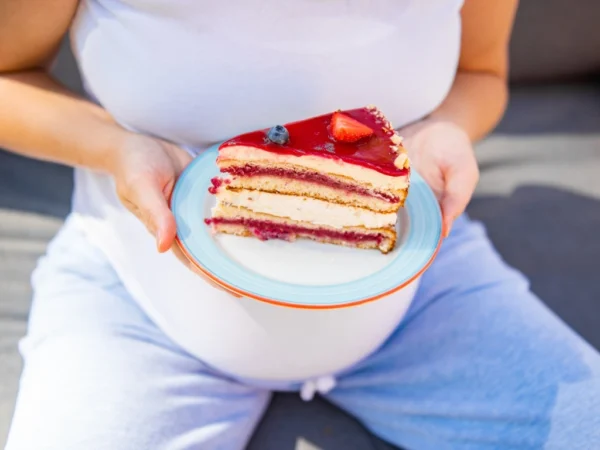
- Cakes and pastries
- Cookies
- Sweet breakfast cereals
Interestingly, heightened sensitivity to sweetness during pregnancy may lead some people to choose naturally sweet foods, such as fruit instead of confectionery.
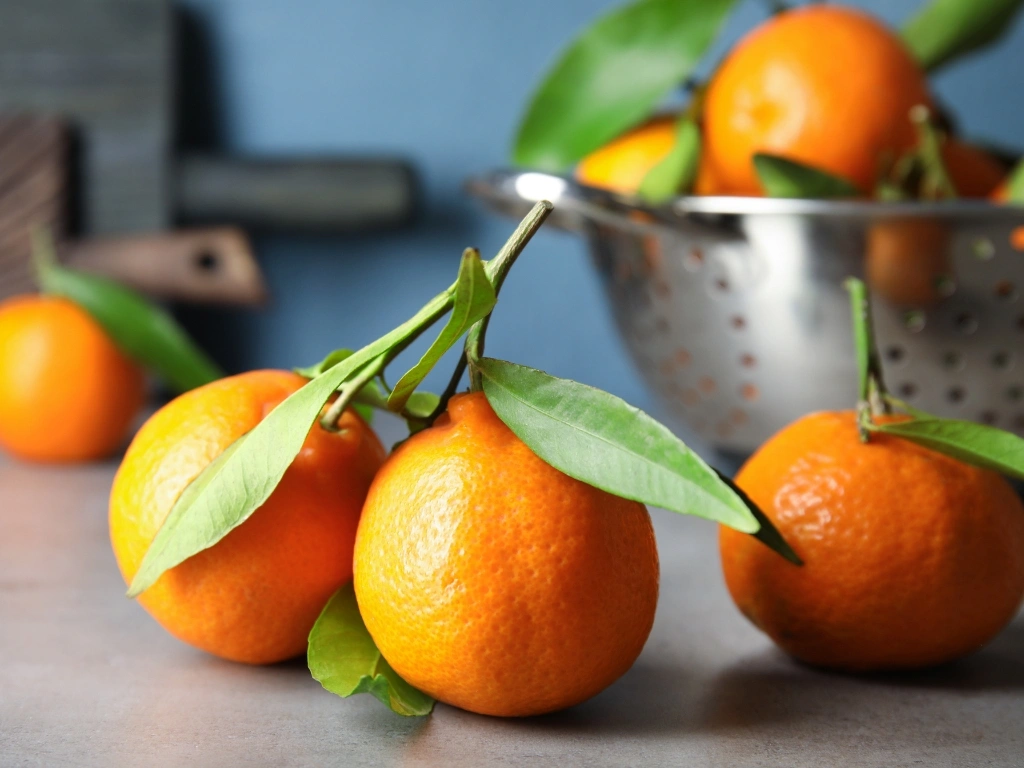
Fresh fruit, in fact, is another common pregnancy craving, and researchers suggest this may be related to increased needs for nutrients such as vitamin C as much as taste.
Here are some ideas for some healthy swaps when the sweet cravings come on strong:
- Greek yogurt topped with berries
- Banana with unsweetened peanut butter
- Apple slices with cinnamon
- Homemade fruit smoothies
- Oatmeal with fresh fruit
Salty and savory foods
Cravings for salty and savory foods are another usual pregnancy craving, especially at the start. Some experts believe that these cravings may be linked to changes in fluid balance and sodium regulation.
Crunchy textures may also play a role, as some pregnant individuals report enjoying foods with more texture when changes in smell and taste make eating less enjoyable.
Here are some savory foods that are frequently craved during pregnancy:
- Potato chips
- French fries
- Pickles
- Crackers
- Burgers
- Pizza
While enjoyable, high-sodium foods, especially when processed and also high in trans or saturated fat, may not be beneficial to snack on all the time. Some healthier alternatives include:
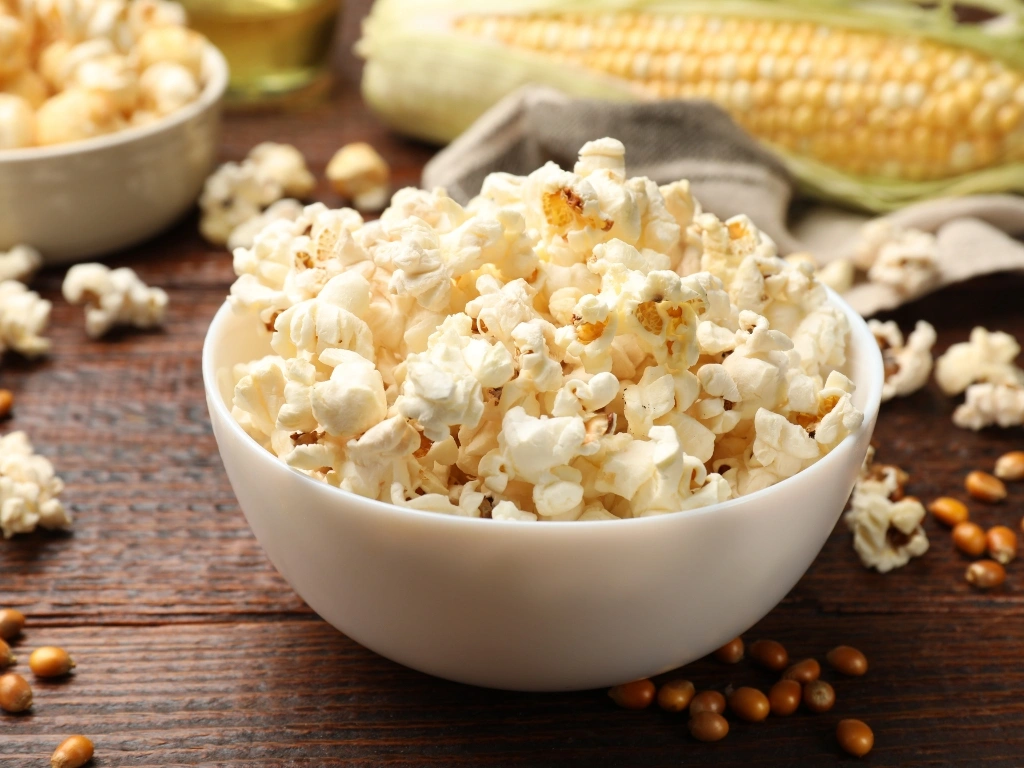
- Air-popped popcorn
- Roasted chickpeas
- Homemade sweet potato wedges
- Wholegrain crackers with hummus
- Oven-baked potatoes

Dairy-based foods
Dairy products are another common craving category. Pregnancy increases the body’s need for nutrients such as calcium, protein, iodine, and vitamin D, all of which are valuable for the baby’s bone and brain development.
Many dairy foods are also cool, creamy, and mild in flavor, which can make them easier to tolerate when nausea or food aversions are present. Some dairy-based foods that pregnant individuals commonly crave are:
- Ice cream
- Cheese
- Milkshakes
Milk- and cheese-based desserts
Dairy in itself can be beneficial for pregnant individuals, but choosing products that are especially high in sugar and fat may heighten the risk of gestational diabetes and other complications during pregnancy.
Here are some healthy ways to get your dose of dairy during pregnancy:
- Homemade ice cream sweetened with honey or fruit
- Plain yogurt (pasteurized and chilled if preferred)
- Low-fat cheeses, such as cottage cheese (pasteurized)
- Milk (pasteurized)
Fortified alternatives, such as soy milk, oat milk, almond milk, or any derivative products, may also be considered as practical swaps for those dairy cravings.
Sour or tangy foods
Many pregnant individuals also report craving foods with a sour or tangy flavor. Temporary changes in smell and taste may make these flavors more noticeable and appealing, while making other tastes feel dull or lacking.
Sour foods may also help to relieve morning sickness and prevent dry mouth by stimulating saliva production.
The following sour and tangy foods are often craved during pregnancy:
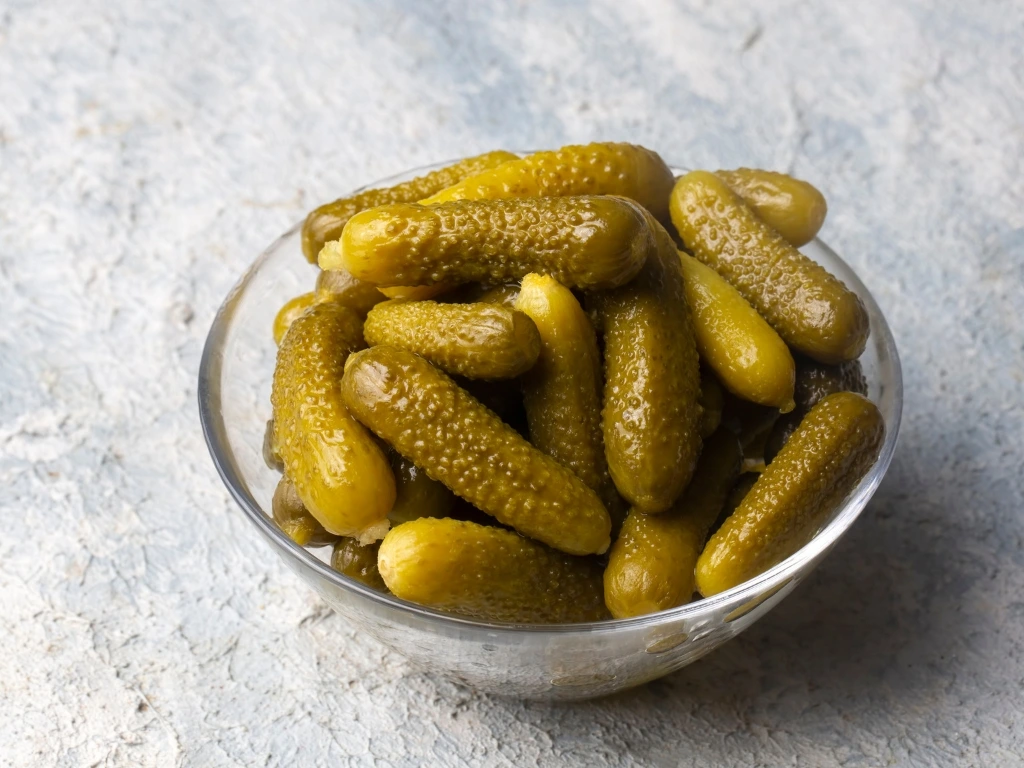
- Pickles
- Lemons
- Citrus fruits
- Sour candies
- Vinegar or vinegar-based dishes
While some of these examples are rich in vitamin C, others may require moderation. For instance, sour candies may still be high in sugar, pickles may be high in sodium, and vinegar may cause acid reflux when consumed in excess. Some alternatives that can broaden your sour/tangy palate include:
- Other fresh fruits, like pineapple or kiwi
- Lower-sodium pickled vegetables
- Sour cream or crème fraîche
- Dry mango powder or tamarind paste (for cooking)
Food aversions during pregnancy
On the other end of the spectrum are pregnancy food aversions, which can be described as an intense dislike of certain foods, drinks, textures, or smells. While they seem to be the complete opposite of cravings, food aversions do share similarities with the cravings mentioned earlier in this article.
Food aversions can be just as common as food cravings during pregnancy, and they also tend to vary from one pregnancy to another.
Like cravings, food aversions are thought to be influenced by pregnancy-related hormonal changes. During early pregnancy, hormones can affect taste perception, appetite, and sensitivity to smells, making certain foods with strong odors or flavors less tolerable. Some people may find that the foods they once enjoyed before pregnancy t are suddenly unappealing or even trigger nausea or gagging.
Some commonly reported food aversions during pregnancy include:
- Meat and poultry
- Eggs
- Seafood
- Fatty or greasy foods
- Spicy foods or foods with bold tastes
- Aromatics, such as garlic or onion
- Coffee, tea, and alcoholic beverages
When do pregnancy food aversions start?
Food aversions often begin during the first trimester, when pregnancy hormones are rising rapidly. These aversions frequently appear alongside other pregnancy symptoms such as morning sickness, nausea, and heightened sensitivity to smells.
For many people, aversions improve as pregnancy progresses, although food preferences can continue to change throughout pregnancy and may differ from one pregnancy to the next.
Manage unpredictable food concerns during pregnancy with support from Health Loft
Both cravings and food aversions are a normal part of pregnancy for many people, even though the actual experiences may be different. Whether you’re wondering when pregnancy cravings start, struggling with a sudden dislike of foods you once enjoyed, or are starting to seek out unusual food combinations, remember that these experiences are manageable and don’t have to take total control over how you eat throughout your pregnancy.
Try not to judge yourself for temporary shifts in your appetite or food preferences. Instead, consider reaching out to a registered dietitian to help you stay nourished by providing practical nutrition support that keeps meals and snacks balanced.
At Health Loft, our dietitians who specialize in pregnancy nutrition can assist in managing those cravings and aversions, recommend nutritious alternatives for you to explore, and ensure you’re meeting the nutrient needs required for both your health and your baby’s development.
Connect with a Health Loft dietitian today to start receiving personalized nutrition support throughout pregnancy and even after giving birth.
This article was reviewed by Haleigh Mann, MS, RDN, LDN. It is intended for informational purposes only and does not replace personalized nutritional advice.