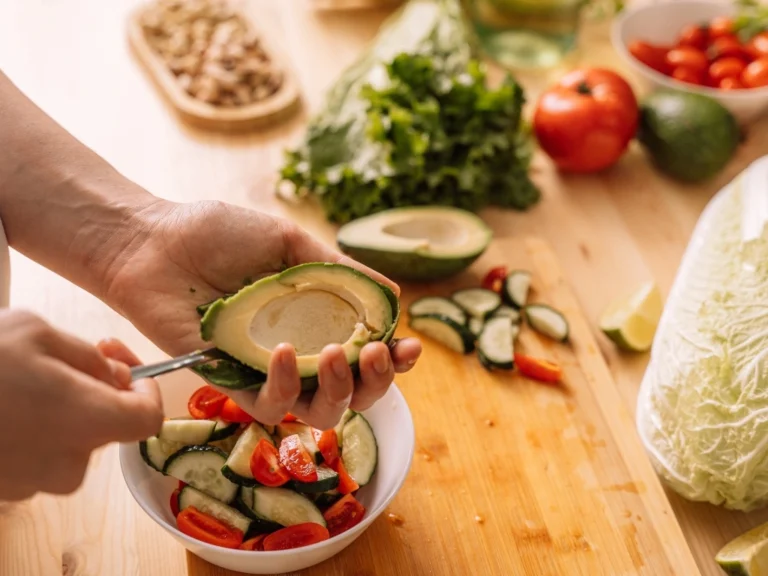









Clean eating has become a popular buzzword in the realm of nutrition, but it does not always mean the same thing to everyone. For some people, it means eating more whole and minimally processed foods, while others associate it with strict food rules, cutting out entire food groups, or trying to follow a “perfect” diet.
In reality, clean eating does not have to be all-or-nothing. A more balanced approach that emphasizes nutritious foods while allowing flexibility is often easier to maintain over the long term than highly restrictive eating patterns.
This guide covers the fundamentals of clean eating and includes a seven-day meal plan, along with practical meal ideas to help you get started.

What is clean eating?
Clean eating is an approach to nutrition that generally emphasizes whole, minimally processed foods while limiting heavily processed foods when possible. Rather than a specific diet, clean eating is often viewed as a flexible approach that focuses on food quality and overall eating habits.
It’s important to note that there is no universally accepted definition of clean eating. For some people, it may mean cooking more meals at home and eating more fruits and vegetables, while others may focus on choosing foods with fewer ingredients or foods that are less processed.
Healthy eating patterns can show up differently from person to person, depending on individual preferences, cultural traditions, health goals, and differing lifestyle factors.
Some potential benefits associated with clean eating are:
- Stabilized blood pressure and blood sugar levels
- Improved digestion and gut health
- Healthier skin
- Support for heart health
- Better quality of diet overall
- Maintained energy levels throughout the day
While understanding the concept of clean eating is a helpful first step, putting it into practice often starts with knowing which foods to prioritize and how to build meals around them.
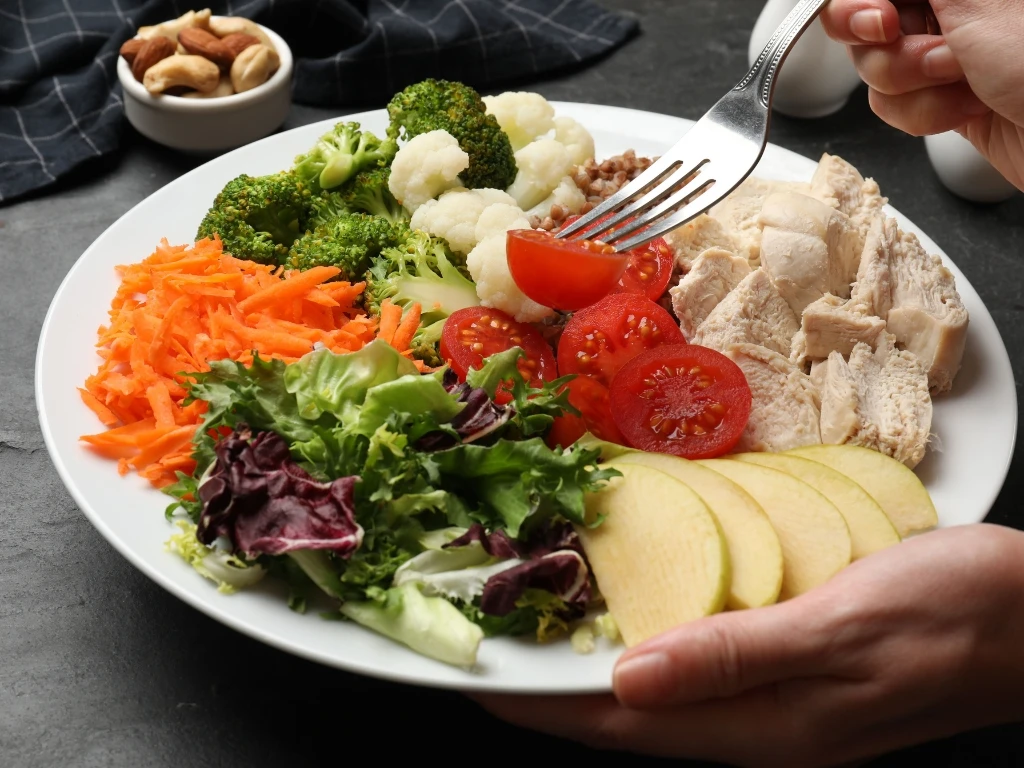
How to build a balanced, clean-eating plate
A balanced clean-eating plate typically includes a variety of minimally processed foods, such as fruits and vegetables, protein, healthy fats, and other nutrient-dense ingredients that support overall health.
Fill half your plate with fruits and vegetables
Fruits and vegetables provide vitamins, minerals, fiber, antioxidants, and other nutrients that support overall health. They can also add color, flavor, and variety to meals while helping you increase your intake of nutrient-dense foods.
Examples include:
- Leafy greens
- Broccoli
- Bell peppers
- Tomatoes
- Carrots
- Berries
- Apples
- Oranges
- Grapes
- Melons
Include a source of protein
Protein is a key nutrient that provides structure to muscles, organs, skin, and other tissues throughout the body. “Protein is considered to be the most satiating macronutrient,” says Health Loft’s Haleigh Mann, MS, RDN, LDN. “It acts on leptin and ghrelin, our hunger and fullness hormones, to keep you satisfied for longer periods of time.”
Regularly including protein-rich foods can help support your overall nutritional needs while adding variety and substance to meals.
Examples include:
- Chicken
- Turkey
- Fish
- Eggs
- Greek yogurt
- Cottage cheese
- Tofu
- Tempeh
- Beans
- Lentils
Include healthy fats
Certain nutrients found in fruits and vegetables are fat-soluble, meaning they are absorbed more effectively when eaten alongside a source of fat. Including healthy fats in meals can complement many of the other foods commonly emphasized in a clean-eating diet plan.
Examples include:
- Avocados
- Nuts
- Seeds
- Nut butters
- Olive oil
- Olives
- Tahini
- Fatty fish like tuna or mackerel
Don’t forget herbs, spices, and flavor
Clean eating is often associated with bland or restrictive meals, but it doesn’t have to be boring. Adding flavor to your plate is essential to still enjoying your meals. Herbs, spices, aromatics, and homemade sauces can add color, flavor, and make nutritious foods more enjoyable without having to rely on highly processed ingredients.
Including these foods has the added benefit of incorporating essential micronutrients and phytochemicals that you might otherwise miss.
Enhance the flavors of your next meals with the following staples:
- Garlic
- Ginger
- Basil
- Cilantro
- Parsley
- Cinnamon
- Lemon juice
- Lime juice
- Homemade vinaigrettes
- Salsa
Be mindful of what you drink
When people think about clean eating, they often focus on food and overlook beverages. However, drinks can contribute a significant amount of added sugar and calories to the diet, sometimes without providing much satiety.
This does not mean you have to drink plain water all day. Staying hydrated is an important part of overall health, and many beverages can fit well into a clean eating plan.
The National Academy of Medicine recommends roughly nine cups per day for women and 13 cups per day for men, though individual fluid needs vary depending on factors such as activity level, body size, climate, and overall health. The goal is simply to be aware of what you’re drinking and how it fits into your overall eating habits and health goals.
Here are some simple ways to support healthier beverage choices:
- Carrying a reusable water bottle throughout the day
- Choosing unsweetened beverages more often
- Adding fruit, herbs, or citrus to water for flavor
- Checking nutrition labels on specialty drinks and coffee beverages
- Limiting sugar-sweetened beverages when possible
- Making smoothies at home using whole-food ingredients
Don’t overlook convenient staples
Many people assume that clean eating means preparing everything from scratch, but that is not always realistic — or even necessary. In fact, a variety of convenient foods can help make nutritious eating more accessible, especially on busy days.
It’s also worth noting that “processed” does not automatically mean unhealthy. Many foods commonly included in a clean eating pattern undergo some form of processing, whether they are frozen, canned, chopped, pasteurized, or packaged. The focus should be on choosing foods that retain their nutritional value rather than avoiding processed foods altogether.
Frozen fruits and vegetables are often picked and frozen shortly after harvest, while canned beans, plain yogurt, and other pantry staples can provide valuable nutrients with minimal preparation. These foods can make it easier to build meals at home and may help reduce reliance on more heavily processed convenience foods.
The goal should be to make room for more whole, minimally processed foods when possible, while recognizing that flexibility matters.
Occasional convenience foods, restaurant meals, desserts, and favorite treats can still fit within an overall balanced and sustainable approach to clean eating. Some choices you can safely include are:
- Frozen fruits
- Frozen vegetables
- Canned beans
- Canned lentils
- Rotisserie chicken
- Pre-washed salad greens
- Pre-cut produce
- Microwaveable brown rice or quinoa
- Nut butters
- Canned tuna or salmon
Dietitian-designed 7-day clean eating meal plan
The following clean-eating meal plan is intended as an example only and can be adjusted to suit your individual preferences, health conditions, cultural food traditions, allergies, schedule, and nutritional needs. Instead of aiming to follow this plan perfectly, use it as inspiration for building your own meals around a variety of nutritious, minimally processed foods.
Day 1
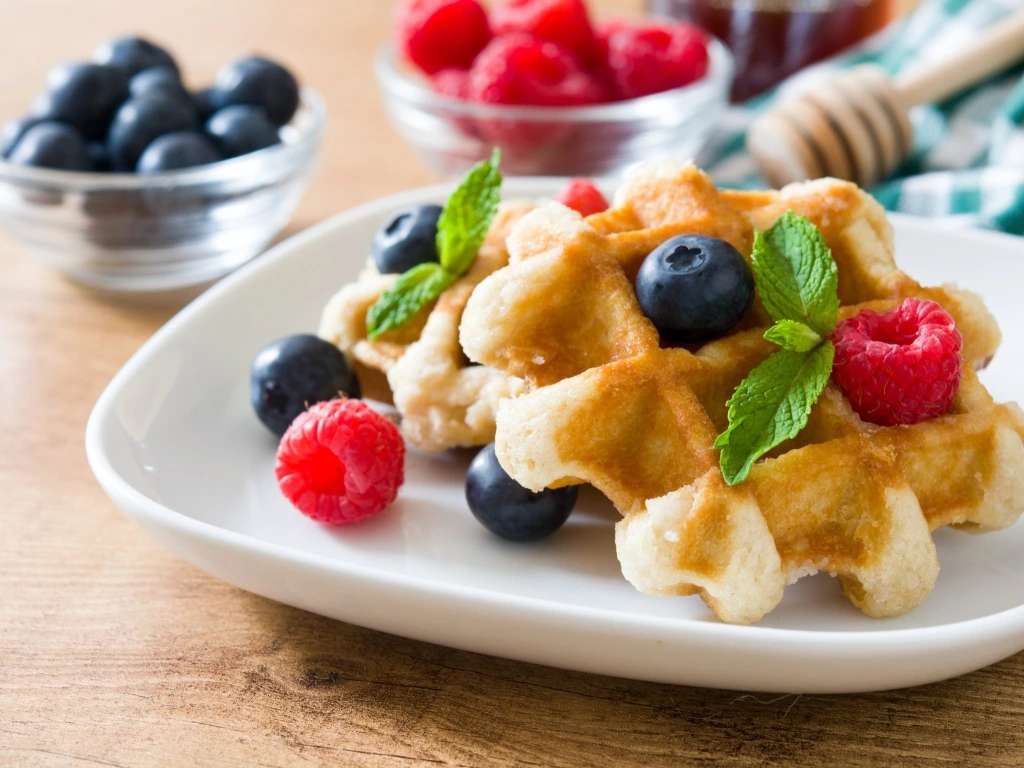
- Breakfast: Whole-grain waffles topped with berries and a drizzle of honey or pure maple syrup
- Lunch: Buffalo chicken stuffed sweet potato with a side of asparagus
- Dinner: Unstuffed cabbage roll skillet with lean ground beef and rice
- Snack: Hard-boiled eggs and grapes
Day 2
- Breakfast: Smoked salmon toast with avocado and cucumber
- Lunch: Turkey taco lettuce wraps with black beans and salsa
- Dinner: Sheet-pan chicken fajitas with peppers, onions, and corn tortillas
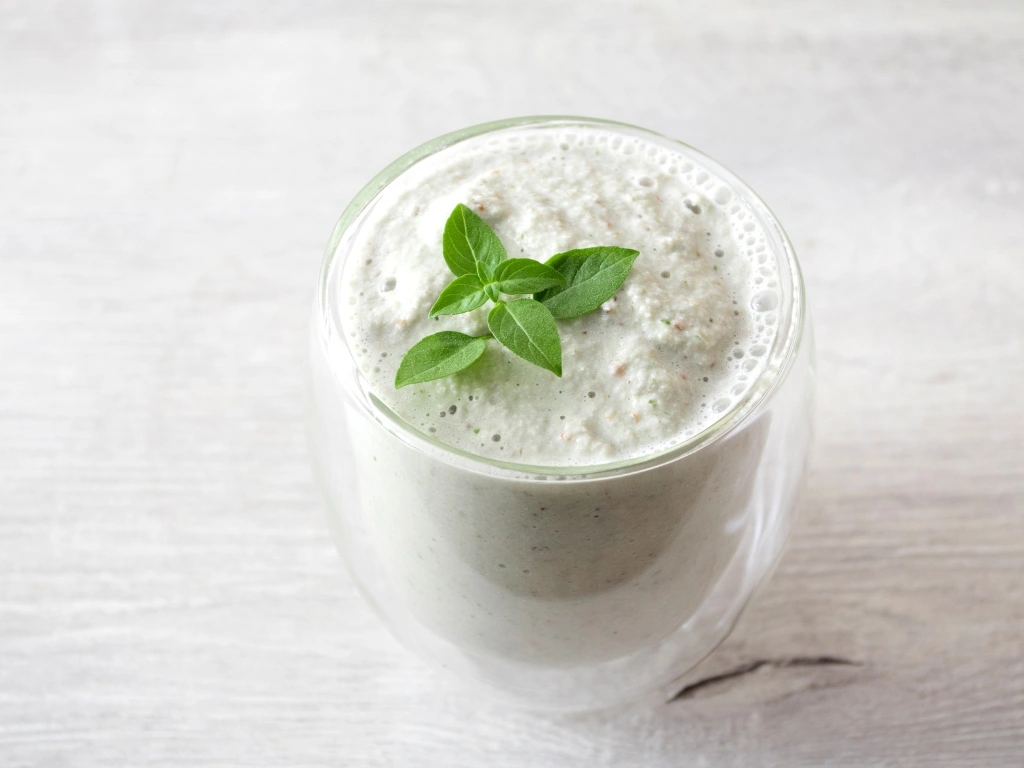
- Snack: Avocado yogurt lassi
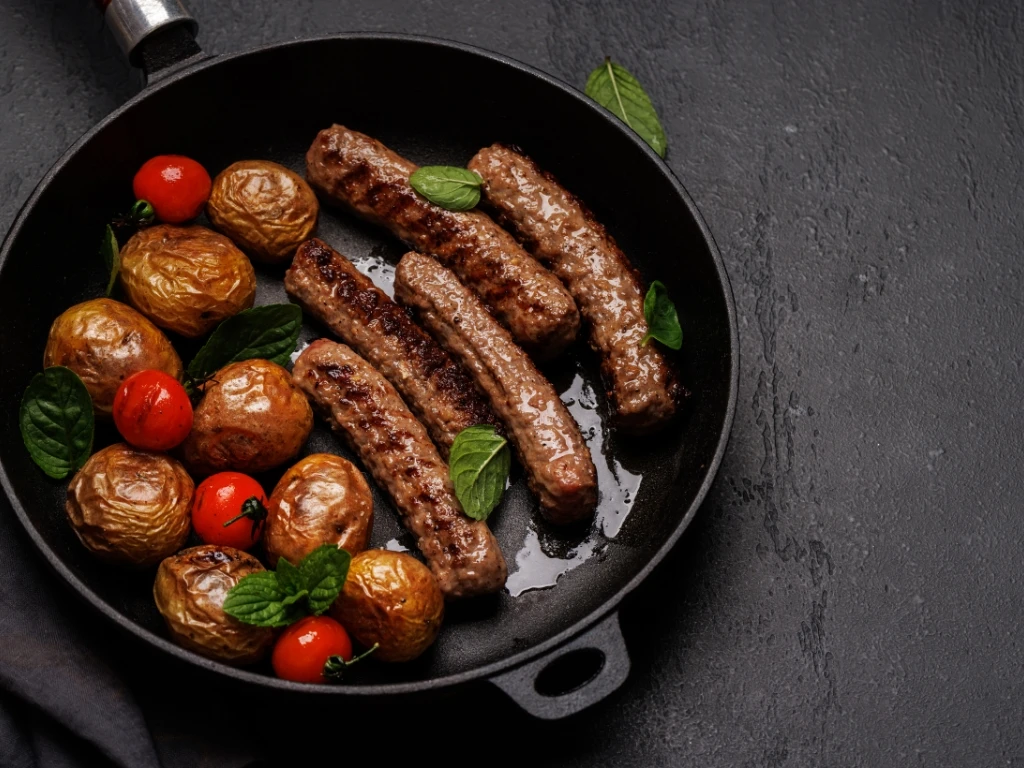
Day 3
- Breakfast: Turkey sausage and vegetable skillet with whole-grain rolls
- Lunch: White bean, rice, and tuna salad stuffed into tomatoes
- Dinner: Greek turkey meatballs with roasted potatoes and cucumber salad
- Snack: Roasted edamame
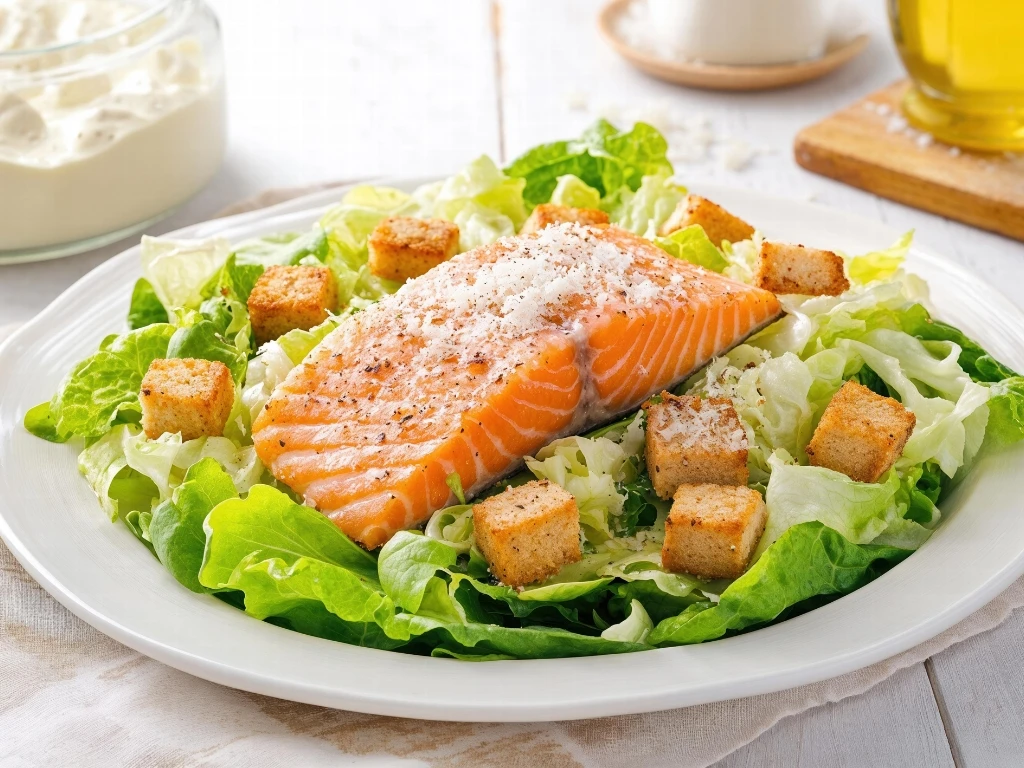
Day 4
- Breakfast: Savory cottage cheese toast with tomatoes and everything seasoning
- Lunch: Rotisserie chicken grain bowl with roasted vegetables
- Dinner: Salmon Caesar salad with whole-wheat croutons and lemon water
- Snack: Pear with pistachios
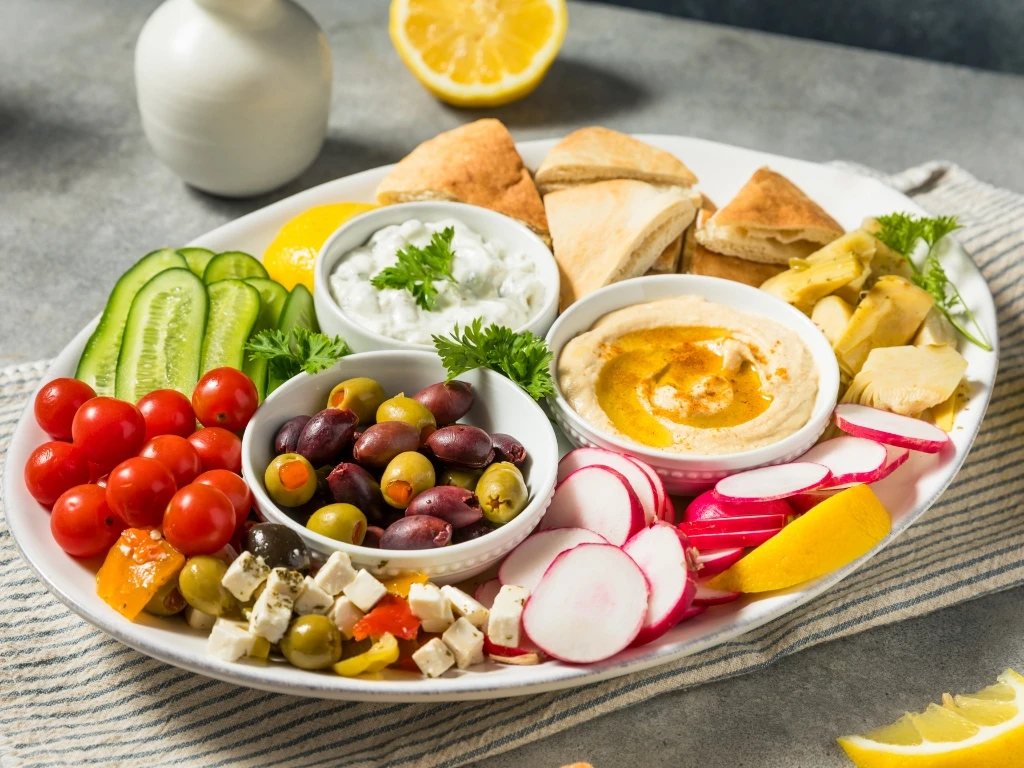
Day 5
- Breakfast: Vegetable egg bake with feta cheese and one whole-grain English muffin
- Lunch: Mediterranean snack plate with hummus, boiled eggs, vegetables, olives, and whole-grain pita
- Dinner: Chicken skewers with vegetables and Tzatziki sauce
- Snack: Cottage cheese with pineapple
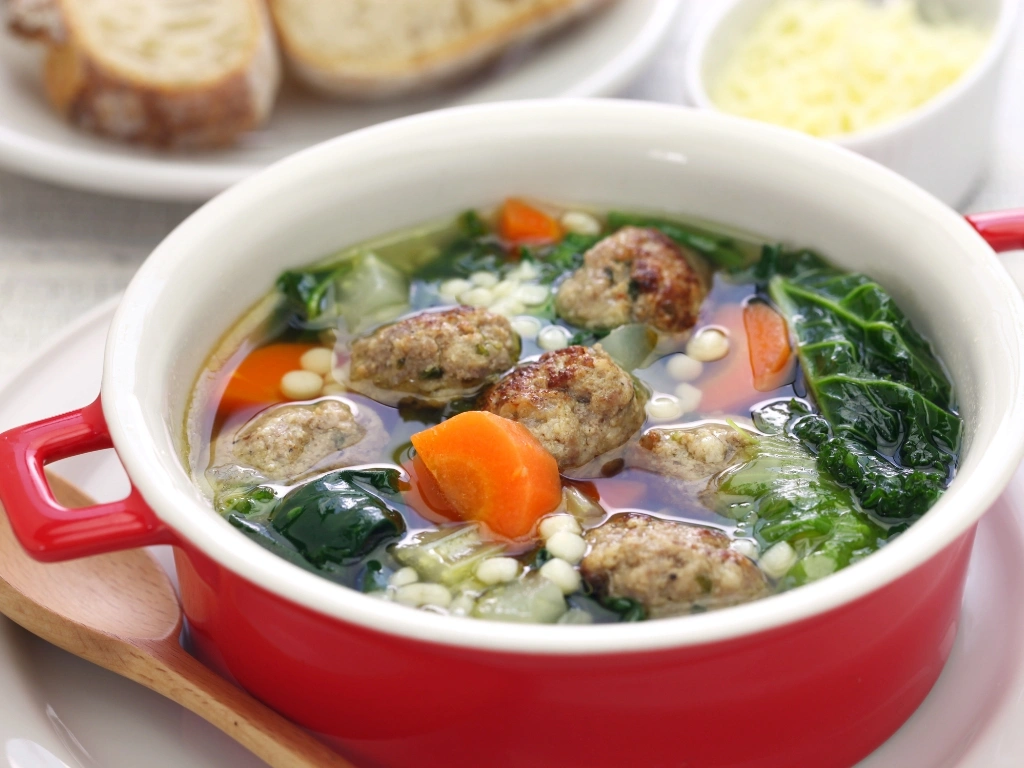
Day 6
- Breakfast: Breakfast tacos with eggs, black beans, avocado, and salsa
- Lunch: Italian wedding soup (meatballs, spinach, carrots, and pasta)
- Dinner: Deconstructed egg roll bowls with ground turkey and vegetables
- Snack: Pumpkin seeds and an orange
Day 7
- Breakfast: Vegetable congee topped with shredded chicken and green onions
- Lunch: Minestra-style bean stew with whole-grain roll
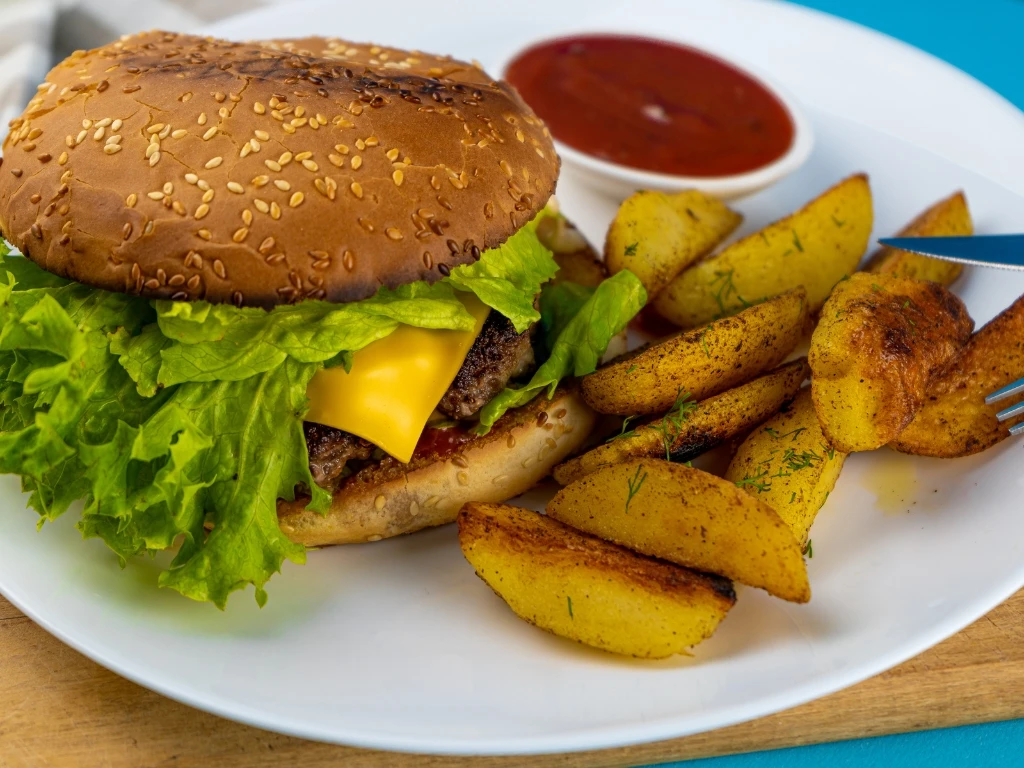
- Dinner: Homemade cheeseburger with roasted potatoes and a side salad
- Snack: Unsweetened tea with a handful of nuts
Take the next step toward cleaner eating with Health Loft
Clean eating does not have to be complicated, restrictive, or perfectly executed to support your health. In many cases, focusing on more whole and minimally processed foods while building balanced meals can be a practical place to start.
It’s also important to remember that healthy eating looks different for everyone. Factors such as food preferences, cultural traditions, budget, schedule, allergies, and medical conditions can all influence what a sustainable eating pattern looks like for you.
While general nutrition advice can be helpful, many people find it challenging to turn broad recommendations into realistic daily habits. That’s where personalized support can make a difference.
At Health Loft, our registered dietitians work with you to create a nutrition plan that fits your goals, lifestyle, and individual needs. Whether you’re looking to build a personalized meal plan, navigate a medical condition that affects your dietary needs, or develop healthier eating habits without unnecessary restrictions, our team is here to help.
If you’re ready to make clean eating feel simpler, more enjoyable, and more sustainable, schedule a consultation with a Health Loft dietitian today to receive personalized nutrition guidance designed around your life.
This article was reviewed by Haleigh Mann, MS, RDN, LDN. It is intended for informational purposes only and does not replace personalized nutritional advice.