









Prediabetes presents an important opportunity to adopt nutrition and lifestyle habits that support long-term health, manage blood sugar levels, and help reduce the risk of progressing to type 2 diabetes.
Breakfast can play a key part in this, especially for people who cannot skip their morning meal. Since many grab-and-go options are high in refined carbohydrates and added sugars, learning how to build balanced breakfast meals can greatly help manage prediabetes, promoting steadier energy, improved blood sugar, and better appetite control throughout the morning.

Can breakfast influence cravings and energy levels?
For many people, breakfast can help set the tone for the rest of the day. The foods you choose in the morning may influence hunger, cravings, energy levels, and even future food choices.
A breakfast that includes protein, fiber, and healthy fats may help promote fullness and can provide more sustained energy compared to meals that are primarily made up of refined carbohydrates or added sugars. Some people also find that a balanced breakfast helps reduce mid-morning hunger and cravings, making it easier to stay satisfied until the next meal.
This being said, individual responses can vary. Factors such as meal timing, activity level, medications, sleep, and overall eating patterns can all influence how breakfast affects blood sugar and appetite throughout the day.
What nutrients should you prioritize at breakfast?
When planning breakfast with prediabetes, it can be helpful to think beyond calories or carbohydrates alone. Including a variety of nutrients will support energy levels, appetite, and overall nutrition throughout the day.
Protein
Protein is one of the most common recommendations for breakfast because many traditional breakfast foods are relatively low in it. Including protein may help make breakfast more substantial and can help you to stay satisfied until your next meal.
Examples of protein-rich breakfast foods include:
- Eggs
- Greek yogurt
- Cottage cheese
- Tofu
- Protein powder
- Kefir
- Smoked salmon
- Turkey sausage
- Edamame
Fiber
Fiber is a type of carbohydrate that the body does not fully digest. Unlike other carbohydrates, fiber passes through the digestive system relatively intact and plays an important role in digestive health. Many people do not get enough fiber, making breakfast a good opportunity to increase intake early in the day.
Foods that can help boost fiber at breakfast include:
- Berries
- Chia seeds
- Vegetables (spinach, bell peppers, tomatoes, mushrooms, kale)
- Whole grains
- Beans
- Lentils
- Pears
- Apples
Healthy fats
Healthy fats can add flavor, texture, and variety to breakfast. They can also help meals feel more enjoyable, which may make it easier to stick with healthy eating habits over time.
Sources of healthy fats include:
- Nuts
- Seeds
- Avocado
- Nut butters
- Olive oil
- Tahini
- Olives
Complex carbohydrates
Carbohydrates are often the foundation of breakfast, but some sources provide more nutrients than others. Complex carbs typically contain fiber along with vitamins, minerals, additional protein, and other nutrients, making them a more nutrient-dense choice than highly refined options such as pastries, sugary cereals, or white bread.
Some complex carbohydrates you can easily include to your meals are:
- Oats
- Whole-grain bread
- Quinoa
- Barley
- Sweet potatoes
- Brown rice
- Whole-grain cereals
- Farro
- Corn tortillas

What breakfast foods should you limit with prediabetes?
Some breakfast foods tend to be higher in added sugars or refined carbohydrates while providing relatively little protein or fiber. These foods can still be enjoyed occasionally, but they may not keep you satisfied for as long as more balanced options.
Common high-sugar or high-carb breakfast foods include:
- Pastries, donuts, and sweet baked goods
- Sugary breakfast cereals
- Sweetened coffee drinks
- Flavored yogurts with added sugar
- White toast or breakfast foods with little protein or fiber
That said, managing prediabetes does not mean completely avoiding certain foods. Instead, the goal is often to create more balanced meals that help you feel satiated and support steadier energy levels throughout the morning.
When possible, consider simple swaps that add more protein, fiber, or healthy fats to the meal. For example, plain Greek yogurt with fruit may provide more protein than sweetened yogurt, while oatmeal topped with nuts and berries may be a more balanced option than many sugary cereals.
“When planning meals around prediabetes, I often hear patients lament over the idea that they can no longer have those ‘fun’ carbs. However, this doesn’t have to be the case. It’s not about eliminating pancakes or pastries altogether, but rather being crafty about which foods we have in conjunction with those high-carb foods,” says Haleigh Mann, MS, RDN, LDN, a registered dietitian at Health Loft.
“If you’re craving a sugary breakfast item, like a poptart, try just having half and adding a food with protein and a food with color. Not only will this make the meal more satisfying, but it also slows down how quickly the sugar reaches your bloodstream and spikes your blood glucose.”
8 breakfast ideas for people with prediabetes
Breakfasts for prediabetes need not be limited to oatmeal, eggs, or other traditional breakfast foods. The breakfast ideas below offer a mix of familiar favorites and less traditional options that can help to add variety to your morning routine while supporting balanced nutrition and satisfaction until lunch.

1. Breakfast sushi rolls
Although sushi rice is a refined carbohydrate, pairing it with protein, fat, and fiber helps in building a much more balanced meal. Wrap your rice in nori sheets filled with avocado, cucumber, eggs, or smoked salmon for a completely different breakfast experience.
2. Leftover salmon grain bowl
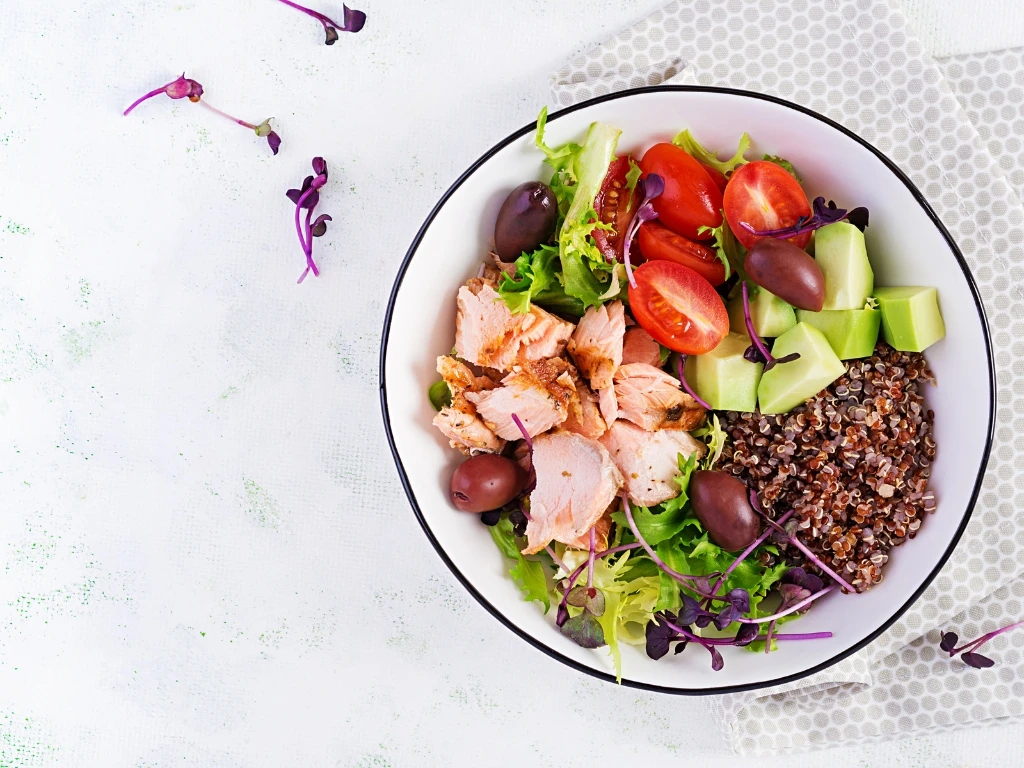
Breakfast does not have to include traditional breakfast foods. A grain bowl made with leftover salmon, brown rice or quinoa, vegetables, olives, and avocado provides protein, fiber, healthy fats, and complex carbohydrates in one meal.

3. Vegetable fritters
Vegetable fritters made with zucchini, carrots, or sweet potatoes provide fiber and nutrients while lending an enjoyable texture that differs from the usual breakfast foods. Pairing them with Greek yogurt or eggs can increase protein and healthy fat content.

4. Breakfast BLT with egg
A breakfast BLT (bacon, lettuce, and tomato) made with whole-grain bread and some scrambled eggs delivers protein, fiber, and complex carbohydrates in one hearty sandwich. Adding an egg can increase the protein content, while vegetables contribute fiber and additional nutrients that help to create a more balanced breakfast.
Go for homemade bacon to avoid relying on processed meats, or swap it with lean proteins like chicken or tofu.

5. Blueberry almond pancakes
Blueberry almond pancakes made with whole-grain flour can provide more fiber than traditional pancakes while still feeling like a classic, more traditional breakfast. Topping them with blueberries and sliced almonds adds fiber, healthy fats, and nutrients that help to create a more balanced meal.

6. Matcha chia protein latte
A matcha latte blended with protein powder and chia seeds can provide protein, fiber, and caffeine in one drink. Pairing protein with carbohydrates and healthy fats can create a more satisfying breakfast than coffee alone.
7. Bean chili with bread or crackers
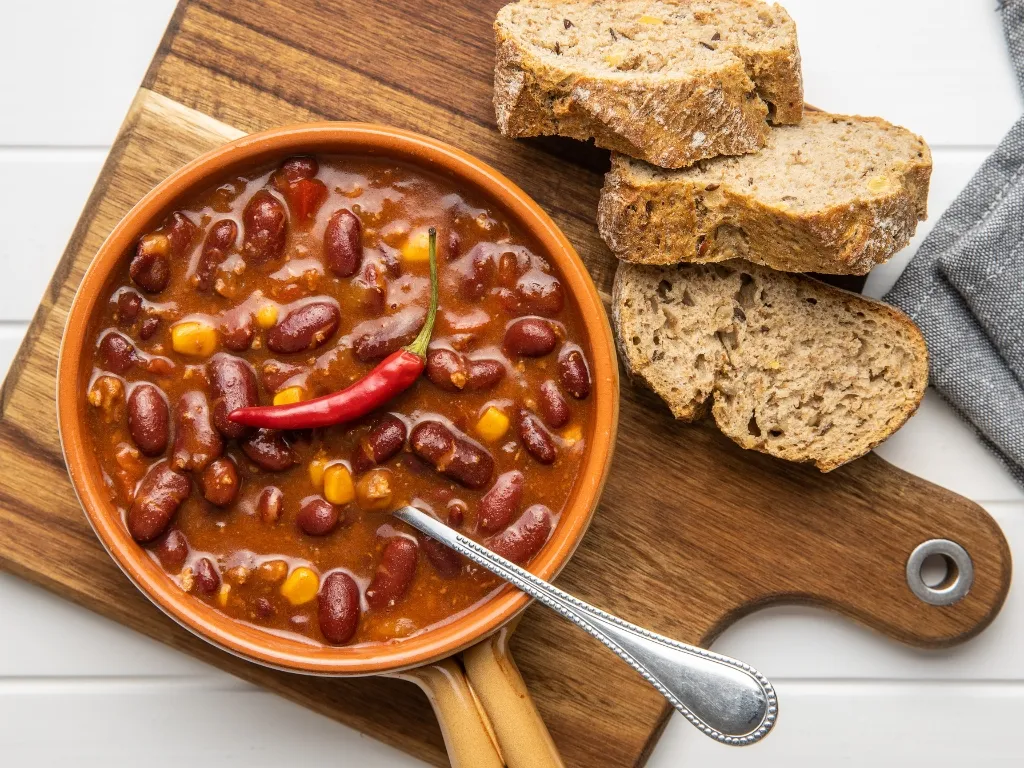
A bowl of bean chili can provide plant protein, fiber, and complex carbohydrates, making it a surprisingly balanced breakfast option. Eat it with a side of whole-grain bread or crackers to round out the meal.
If possible, cooking your beans the night before for easy reheating the next day can be a convenient way to avoid skipping meals on busy mornings.

8. Vegetable congee with chicken
Congee is a rice porridge commonly enjoyed in many Asian cuisines. Adding chicken and vegetables can increase the protein, fiber, and nutrient content, while a sprinkle of sesame seeds adds flavor and a hint of healthy fats. Together, they create a warm, comforting breakfast that feels more satisfying than highly processed breakfast foods.
How to make daily breakfast planning for prediabetes easier
Building a balanced breakfast to help manage prediabetes should not have to take an excessive amount of time. A little preparation can go a long way in making it easier to include protein, fiber, and other nutrients, even on hectic mornings.
Prepare ingredients ahead of time
Having your ingredients ready in advance can reduce the amount of cooking and decision-making required in the morning.
Overnight oats, egg bites/muffins, chopped vegetables, cooked grains, and pre-portioned fruit are a few examples of ways that can help make breakfast assembly quicker and more efficient.
Keep simple staples on hand
Having a few convenient staples available can make balanced breakfasts more accessible when time is limited.
Options such as Greek yogurt, cottage cheese, whole-grain bread, nut butter, frozen fruit, boiled eggs, canned beans, and pre-washed vegetables can be used in a variety of ways to assemble quick meals.
Have backup breakfasts available
Some mornings just don’t go as planned, which is why it can be helpful to keep a few backup options available. Examples include a protein smoothie, whole-grain toast with nut butter, cottage cheese with fruit, or leftovers from the previous night’s dinner.
Having simple options ready may make it easier to avoid skipping breakfast altogether.
Make breakfast one less thing to worry about
Preparing breakfast for people with prediabetes can be straightforward once you know the right nutrients to focus on and how to customize meals to different tastes or schedules. Whether you prefer sweet breakfast foods, savory meals, or even leftovers from the night before, there are many ways to build a breakfast that supports your nutrition goals.
If you’re wondering what breakfast is best for prediabetes, the answer will be different for everyone. Factors such as food preferences, appetite, schedule, medications, and overall health can all influence which breakfast choices will work best for you.
Working with a registered dietitian who specializes in diabetes can help you identify practical strategies for managing blood sugar while still enjoying the foods you eat. At Health Loft, our dietitians provide personalized, evidence-based nutrition guidance tailored to your unique needs and goals.
Connect with a Health Loft dietitian today to receive individualized support for prediabetes, blood sugar management, and long-term health.
This article was reviewed by Haleigh Mann, MS, RDN, LDN. It is intended for informational purposes only and does not replace personalized nutritional advice.