









Have you ever tried fasting and found it too difficult or restrictive to maintain? In many cases, people jump into very long fasting windows too quickly without realizing that intermittent fasting can actually be tailored to different lifestyles.
The 5:2 diet is considered one of the more manageable forms of IF that some individuals find easier to fit into everyday life. Because of the flexibility it lends, it has quickly become a popular choice for weight management.

What is the 5:2 diet?
The 5:2 diet is a form of intermittent fasting that usually involves eating normally for five days of the week and following a lower-calorie eating plan on two non-consecutive days.
The recommended calorie target on these two fasting days is around 500 calories daily for women or 600 calories daily for men. This typically reduces intake to roughly 20% to 25% of a person’s usual daily calorie needs, helping create an overall weekly calorie deficit while still allowing some food intake to support basic energy and nutrient needs.
However, exact calorie targets, meal timing, and ideal food choices can still vary depending on the individual’s activity level, health status, and dietary preferences.
Potential benefits of the 5:2 diet plan
The 5:2 diet is often preferred over more rigid fasting methods not only because it’s proven effective for weight loss.
Here are more key benefits worth considering:
Reduces stress around food intake and restriction
With the 5:2 diet, you only need to manage calorie intake two days per week. This helps reduce the mental load of constant dieting, meal planning, and calorie tracking. Instead of having to stay on top of how many calories each meal contains, you can shift your attention to a weekly balance.
Offers more flexibility around social life
Having normal eating days makes it convenient to attend social events, dine out, and enjoy meals with family and friends without feeling restricted.
Structured simply for easier adherence
Because restrictions are not daily, many people find sticking with the 5:2 diet more practical compared to dieting approaches that require constant adjustments or daily tracking.
That said, fasting on the 5:2 diet plan may not be suitable for everyone, especially individuals with a history or risk of disordered eating. Its use should be closely guided by a medical professional and must not be viewed as a long-term strategy, even if tolerated in the short term.
Supports heart health
As the 5:2 diet promotes healthy weight loss, it may also effectively assist with improving blood pressure, cholesterol profiles, and insulin sensitivity, making it ideal for anyone managing type 2 diabetes or at higher risk of cardiovascular diseases.
May contribute to improved brain function
Research has also found that the 5:2 diet triggers a metabolic switch that may slow brain aging and lower oxidative stress. Restricting calorie intake twice a week may also help improve cognitive function and memory.
The 5:2 diet plan may also stimulate a cellular repair process called autophagy, which clears toxic proteins associated with neurodegenerative conditions like Alzheimer’s and Parkinson’s. However, more research may be needed to confirm whether fasting can reduce the likelihood of said conditions.

How much weight can you lose on the 5:2 diet?
When followed consistently, the 5:2 diet may support gradual weight loss by creating a consistent weekly calorie deficit. However, how much weight you can lose on the 5:2 diet can differ considerably from person to person.
Research suggests that some people may experience meaningful weight loss on a modified version of the diet. In a 12-week pilot study that looked into the “5:2 plus” diet plan (which allowed 30% of their daily energy needs on fasting days rather than the standard 20% to 25%), nearly 86% of participants lost at least 5% of their body weight, while about 45% lost more than 10%.
Although these numbers may be encouraging, not everyone can expect the same results. Several factors may affect your individual weight loss outcomes, including:
- Starting body composition
- Overall calorie intake
- Portion sizes, especially on non-fasting days
- Physical activity levels
- Sleep quality
- Stress levels
- Hormonal factors
- Medications
- Existing health conditions
What can you eat on the 5:2 diet?
On fasting days, your food choices matter more because calories are limited. Balanced meals that focus on protein, fiber, volume, and hydration tend to be more satisfying and easier to maintain.
Protein-rich foods
Protein may help support fullness, muscle maintenance, and stable energy levels during lower-calorie days.
Here are some excellent protein sources you can include in your meals:
- Eggs
- Greek yogurt
- Chicken
- Fish
- Tofu
- Cottage cheese
Some people may tolerate fasting days better when meals contain higher protein rather than relying mostly on refined carbohydrates or high-sugar ingredients.
Fiber-rich foods
Fiber slows digestion and may help promote longer-lasting fullness throughout the day.
Consider these high-fiber staples:
- Oatmeal
- Beans and legumes
- Nuts and seeds
- Fruit
- Vegetables
- Whole grains
Fiber-rich meals may also help prevent energy crashes or increased hunger, lending more stable appetite control, especially during fasting days.
High-volume foods
High-volume foods are low in calories but high in water or fiber, allowing you to eat larger portions without exceeding calorie limits.
Some examples include:
- Broth-based soups
- Salads
- Roasted vegetables
- Cucumbers
- Zucchini
- Berries
Many people find these foods helpful because they make meals feel more satisfying even when total calorie intake is low.
Hydrating drinks
Staying hydrated throughout the day plays an important role in managing hunger and maintaining energy during fasting days. It may also reduce headaches, fatigue, dry mouth, and cravings.
Aside from water, other reliable options are:
- Sparkling water
- Herbal tea
- Black coffee
- Low-calorie electrolyte drinks
Sample 7-day meal plan following the 5:2 diet
Beyond identifying the best foods to eat on a 5:2 diet, learning how to structure meals is also crucial.
There’s no one correct meal schedule to follow. Some people prefer eating one larger meal on fasting days, while others feel better spreading their calories across two or three smaller meals.
This sample meal plan demonstrates one way to follow the 5:2 diet, with the two fasting days including multiple meals while keeping calorie intake within the typical recommended range, while the remaining five days focus on keeping meals balanced.

Day 1
- Breakfast: Soft-poached eggs served over light garlic yogurt with chili crisp and slices of toasted sourdough
- Lunch: Grilled chimichurri chicken with charred green beans
- Snack: Green grapes with a small handful of pistachios
- Dinner: Coconut lime salmon with salsa and garlic rice

Day 2 (first fasting day with approximately 450 to 550 calories)
- Breakfast: Egg drop broth with spinach and scallions
- Lunch: Turkey with mustard, cucumbers, and arugula on a whole-grain toast
- Dinner: Chili lime cod with sautéed bok choy

Day 3
- Breakfast: Protein waffles with strawberries and cinnamon Greek yogurt
- Lunch: Korean BBQ turkey bowl with kimchi slaw, and cauliflower rice
- Snack: Few peanut butter-stuffed dates with dark chocolate drizzle
- Dinner: Street corn chicken tacos with lime and cabbage

Day 4
- Breakfast: Ricotta sourdough toast with roasted figs and crushed pistachios
- Lunch: Mediterranean salmon salad with cucumbers, tomatoes, herbs, and lentils
- Snack: Air-popped popcorn with nutritional yeast and garlic herb seasoning
- Dinner: Chicken parmesan meatballs with roasted eggplant and marinara

Day 5 (second fasting day with approximately 400 to 500 calories)
- Breakfast: Spinach and mushroom frittata
- Lunch: Egg roll stir-fry with cabbage, carrots, scallions, and a light garlic-ginger sauce
- Dinner: Grilled garlic shrimp kebabs with a side of roasted vegetables
Day 6
- Breakfast: Breakfast burrito bowl with eggs, turkey sausage, salsa, and peppers
- Lunch: Buffalo ranch chicken wrap with romaine and roasted carrots
- Snack: Pickles and watermelon cubes
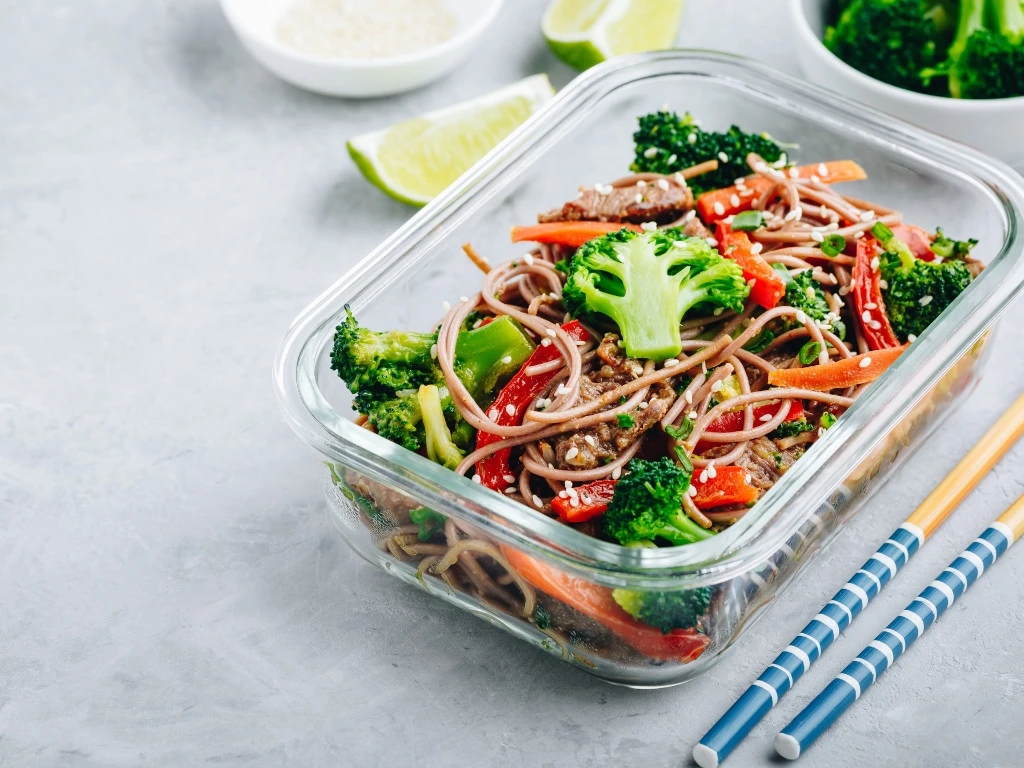
- Dinner: Honey sesame beef noodles with broccoli and scallions

Day 7
- Breakfast: Brown sugar banana French toast with Greek yogurt
- Lunch: Spicy tuna bowl with edamame, avocado, cucumbers, onions, and sriracha mayo
- Snack: A small portion of chocolate trail mix with cashews and dried cherries
- Dinner: Peri-peri chicken with charred corn salad
Potential side effects or challenges of the 5:2 diet
Some people may experience temporary side effects, particularly during the first few weeks as the body adapts to different eating patterns and lower-calorie intake.
Possible symptoms may include:
- Headaches
- Fatigue
- Irritability
- Feeling cold
- Dizziness
- Difficulty concentrating
- Constipation
- Low energy
- Mood changes
Tolerance may also depend on your current health status, activity level, medications, calorie needs, schedule, and overall lifestyle. There are people who adjust comfortably, while others may find it more difficult to consistently maintain lower-calorie days and may require closer supervision before making significant changes.
Make fasting easier to manage with a Health Loft dietitian
Intermittent fasting, such as the 5:2 diet plan, may be a feasible approach to weight management for some individuals, but it’s not suitable for everyone who wants to lose weight.
Because fasting tolerance, calorie needs, meal timing preferences, and health conditions can vary significantly from person to person, individualized guidance may help make weight loss feel less intimidating and more sustainable over the long term.
At Health Loft, our registered dietitians specializing in weight loss can help you create a more personalized approach to intermittent fasting based on your lifestyle, eating habits, medical history, nutritional needs, and long-term goals. We focus on building meal plans and routines that feel practical, balanced, and easier to maintain realistically day after day.
Connect with a Health Loft dietitian to start building eating habits that better fit your lifestyle and long-term goals.
This article was reviewed by Adrienne DePaul, MS, RDN. It is intended for informational purposes only and does not replace personalized nutritional advice.