









Fermentation has been used for centuries to preserve food, but today it’s gaining renewed attention for a different reason: health. More people are turning to fermented foods for gut health, drawn by their potential to support digestion and overall wellness. As interest in the gut microbiome grows, so does curiosity about how everyday foods can help maintain it.
Including a variety of fermented foods in your diet is a simple, flavorful way to nourish your gut. From tangy and savory to rich and complex, these foods offer both nutritional benefits and a chance to explore culinary traditions from around the world.

What are fermented foods?
Fermented foods are those preserved or transformed by bacteria, yeast, or other microorganisms. This process not only extends shelf life but can also produce beneficial compounds that support digestive health.
It’s important to know the difference between naturally fermented foods, which contain live cultures, and pasteurized products, which have been heated and may no longer have active probiotics. Not all fermented foods contain live cultures, so check labels if you’re looking for probiotic benefits.
How do fermented foods benefit gut health?
Fermented foods do more than add flavor to your meals. They can actively support your digestive system and overall health in several ways:
- Support healthy gut bacteria – Fermented foods contain beneficial microbes that help maintain a balanced gut microbiome, which is essential for digestion, metabolism, and even mood regulation.
- Aid digestion and nutrient absorption – The fermentation process breaks down foods into forms that are easier to digest, helping your body absorb nutrients more efficiently.
- May reduce bloating and irregularity – Many people find that incorporating fermented foods into their diet helps ease occasional bloating and promote more regular bowel movements.
- Contribute to immune health – A well-balanced gut plays a key role in immune function, and the probiotics in fermented foods can help support your body’s natural defenses.
That said, effects can vary between individuals, so it’s normal to experience different results or benefits than others.
8 gut-friendly fermented foods to add to your plate
If you’re looking to support gut health, here are eight accessible options to try:

1. Yogurt
A classic source of live cultures, such as Lactobacillus and Bifidobacterium, yogurt may support digestion and balance gut bacteria. Choosing unsweetened varieties and adding fruit, nuts, or seeds boosts flavor and nutrients while keeping it gut-friendly.
2. Kefir
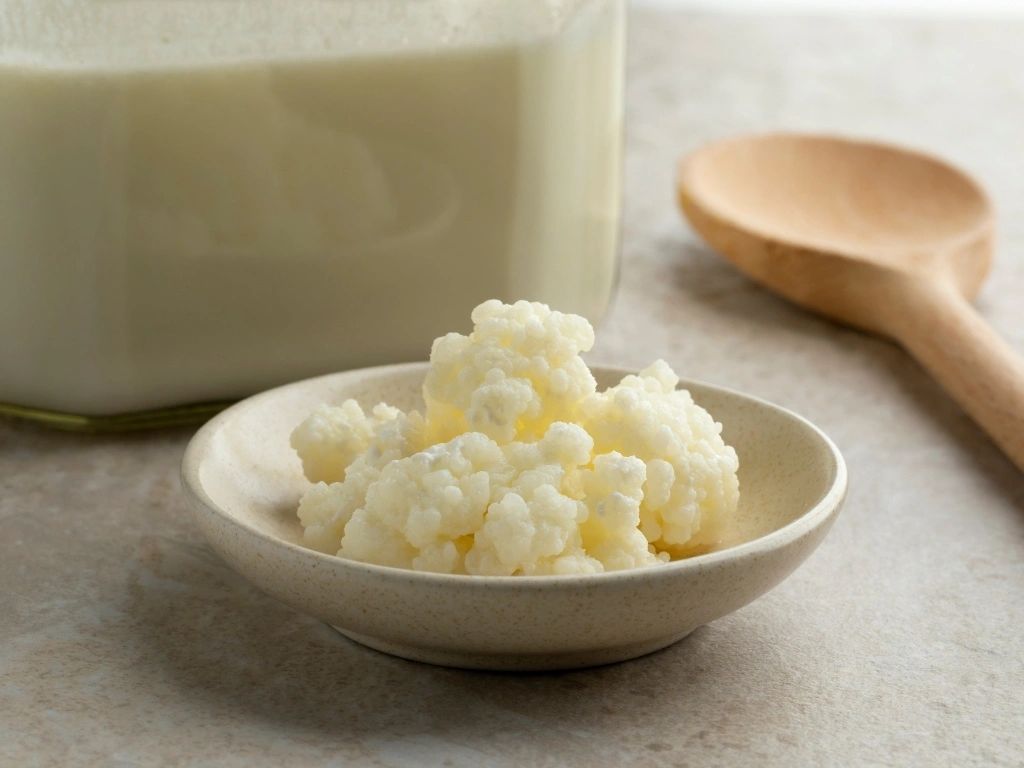
This fermented milk drink contains a broader range of probiotic strains than yogurt. Regular consumption has been linked to increases in beneficial gut microbes and production of short‑chain fatty acids that improve intestinal barrier function. Enjoy it plain or blended into smoothies and salad dressings for an easy nutritional boost.
3. Sauerkraut
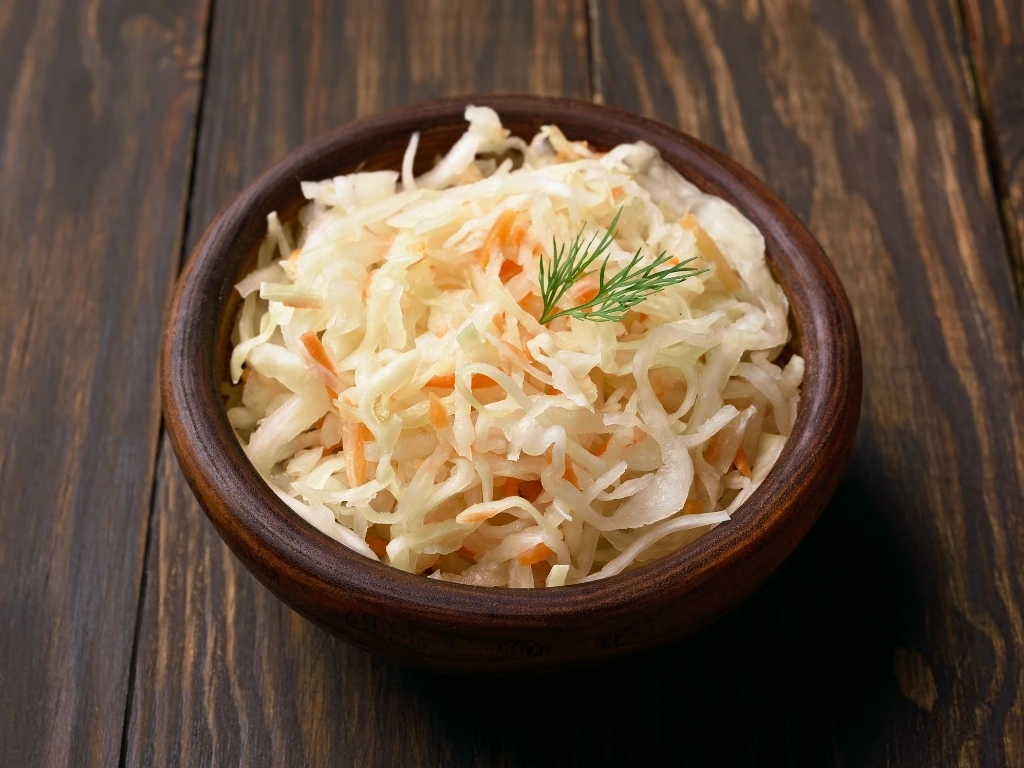
A fermented cabbage dish from Europe, sauerkraut provides fiber and live bacteria, making it a simple way to support digestion and gut balance.
It also contains compounds that may help protect the gut lining from inflammation, an effect not seen in raw cabbage to the same extent. Even small servings can help keep your digestive system more resilient long-term.

4. Kimchi
A staple in Korean cuisine, kimchi combines fermented cabbage with garlic, ginger, and spices. It offers probiotics and antioxidants, with some studies suggesting that it may support gut function and metabolic health. Add kimchi to rice, eggs, or noodle dishes to add carbs and texture.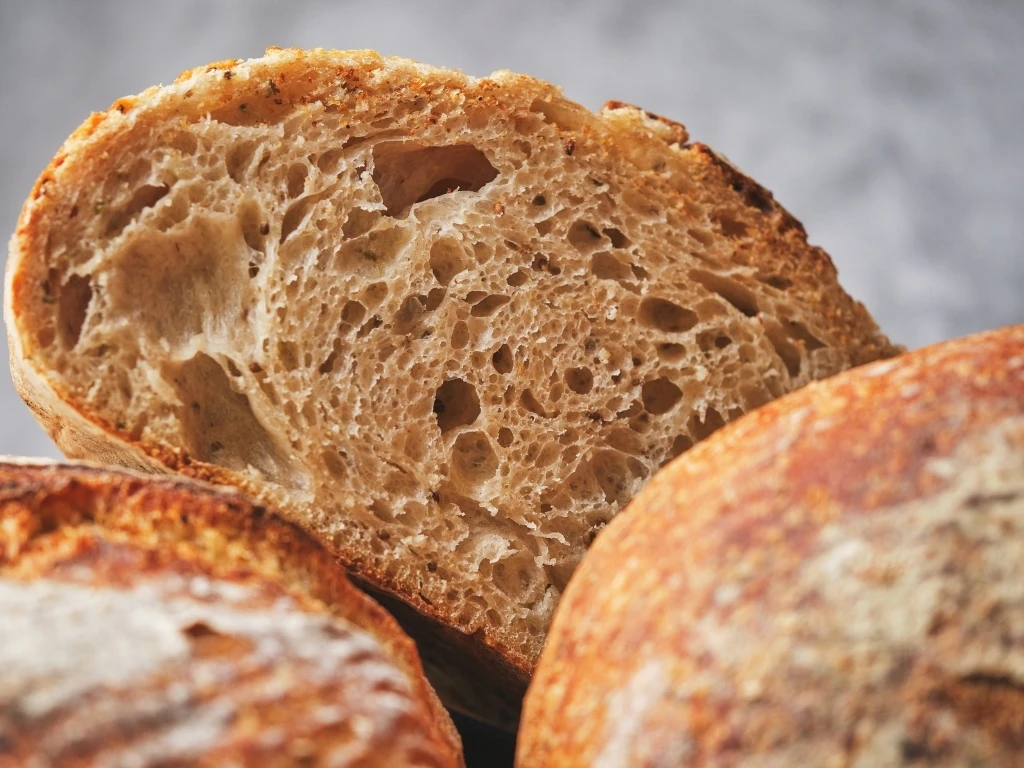
5. Sourdough bread
Traditional fermentation breaks down certain carbohydrates, including fermentable oligosaccharides (FODMAPs), which may make sourdough easier to digest than regular bread. Reach for sourdough the next time you prepare sandwiches for variety and potential digestive benefits.
6. Tempeh
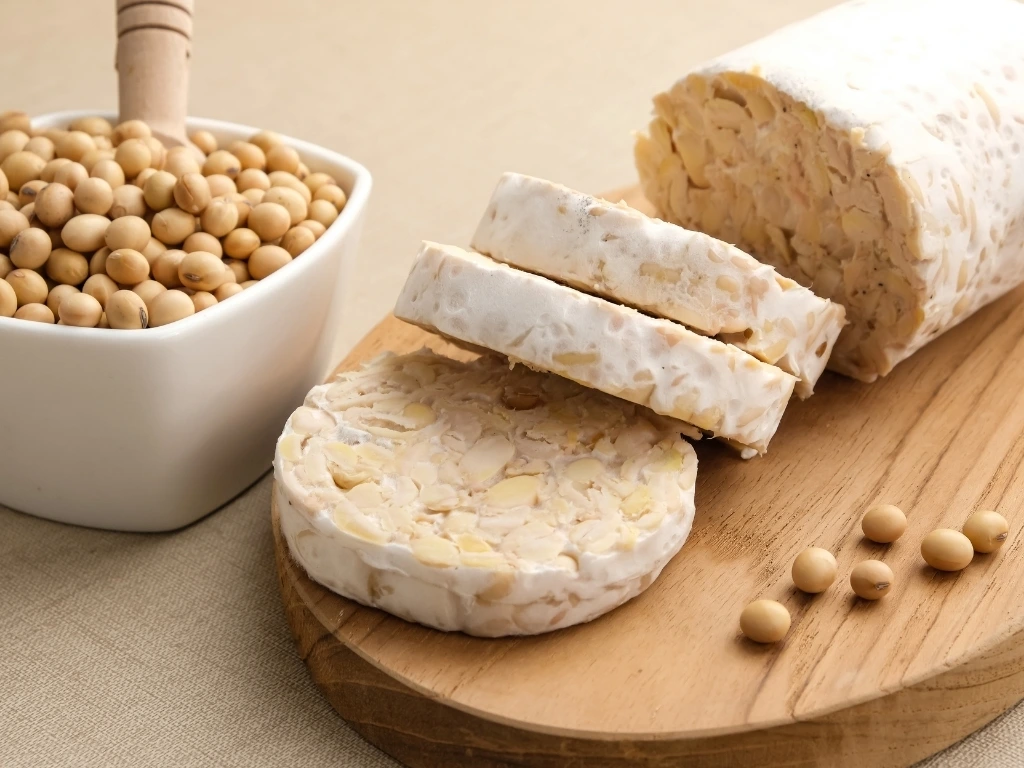
This fermented soy product is rich in plant-based protein and probiotics. Fermentation reduces anti-nutrients and enhances compounds that support gut microbial activity. Pan-frying, baking, or adding tempeh to salads and stir-fries make it a versatile plant-based protein source.

7. Kombucha
A fermented tea made with a symbiotic culture of bacteria and yeast (SCOBY), kombucha may help ease mind digestive symptoms like constipation-related discomfort and support gut and oral microbiota. Overall, its benefits are modest, but it may still be worth exploring as a tasty beverage option.

8. Fermented cheeses (like aged Gouda, Parmesan, or Swiss)
Some aged cheeses contain bacterial cultures involved in fermentation and ripening, with small amounts remaining in the final product.
While they may not be a major source of probiotics, they can still provide beneficial lactic acid bacteria along with nutrients such as high-quality protein and well-absorbed calcium.
In addition, the aging process breaks down most of the lactose, so many aged cheeses may be easier to tolerate for people with lactose sensitivity.
How to safely incorporate fermented foods into your diet
Fermented foods may be supportive of gut health and digestion, but adding them too quickly or without variety can sometimes cause discomfort or limit their benefits.
The following strategies can help you enjoy fermented foods safely and get the most benefit from them:
- Start slowly. Introduce fermented foods gradually, starting with one or two servings per day. This gives your digestive system time to adjust and can help prevent bloating, gas, or other digestive discomfort.
- Add to fiber-rich meals. Pair fermented foods with vegetables, whole grains, legumes, or other fiber-rich foods. Fiber acts as fuel for beneficial gut bacteria, supporting digestion and nutrient absorption.
- Check for added sugars or high sodium. Many fermented products, like flavored kombucha or pickled vegetables, can contain high levels of sugar or salt. Reading labels carefully ensures you get the benefits without overloading on these ingredients.
- Rotate your options. Incorporate a range of fermented foods, including yogurt, kefir, kimchi, sauerkraut, tempeh, and fermented cheeses. Different foods provide different strains of beneficial bacteria, which help create a more diverse and resilient gut microbiome.
When to seek professional guidance
While fermented foods are generally safe for most people, there are situations where consulting a healthcare professional is important. Seeking guidance can help prevent complications and ensure you’re incorporating fermented foods in a way that supports your health goals.
For instance, if you notice increased bloating, gas, discomfort, or other digestive symptoms that don’t improve, it may be time to consult a healthcare provider. Persistent digestive issues may indicate underlying conditions that need attention.
People with certain medical conditions, such as compromised immune systems, chronic illnesses, or gastrointestinal disorders, should also check with their doctor before regularly consuming fermented foods to avoid potential risks.
A registered dietitian can provide tailored advice on which fermented foods, serving sizes, and combinations fit best with your diet, lifestyle, and health needs, ensuring maximum benefit without unintended effects.
Build a healthier gut with Health Loft
You don’t need dramatic changes for better gut health. Fermented foods, when introduced slowly, may already bring significant improvements to how you feel.
At Health Loft, our dietitians specializing in gastrointestinal conditions help you understand what your gut actually needs. We tailor food-first strategies to your symptoms, routine, food preferences, and health goals, then guide you through practical steps — such as choosing the right fermented foods, balancing them with the rest of your diet, and supporting your microbiome sustainably.
If you’re ready to build a healthier gut with support you can rely on, connect with a Health Loft dietitian. We’ll help you move toward better digestion, more energy, and a gut that feels balanced day-to-day.
This article was reviewed by Solveig Adalsteinsdottir, MS, RDN, LDN. It is intended for informational purposes only and does not replace personalized nutritional advice.