









The Mediterranean diet is often regarded as a balanced approach to eating. Unlike many popular diets, it doesn’t rely on restricting entire food groups.
Instead, it encourages eating “cleanly” — choosing more whole, minimally processed foods, especially plant-based staples, that deliver the nutrients your body needs without giving up flavor.
It’s for this exact reason that Mediterranean diet meal plans are also widely favored for weight loss: they make healthy eating patterns much more flexible and easier to maintain in everyday life. By simply focusing on food quality, you can support steady, sustainable results in reaching your health goals.

What is the Mediterranean diet?
The Mediterranean diet is an eating pattern based on the traditional diets of countries bordering the Mediterranean Sea, such as Greece and Italy.
Known to emphasize food variety and balance, it focuses on whole, minimally processed foods — especially fruits, vegetables, whole grains, beans, nuts, and seeds — paired with olive oil as the main source of fat. Fish and poultry are eaten more often than red meat, while dairy and eggs can be enjoyed in moderation.
Given the natural benefits of these foods, the Mediterranean diet is often associated with improved heart health, improved brain function, reduced inflammation, and improved weight management. Following the Mediterranean diet has been shown to help lower risk for heart disease, diabetes, cognitive decline, certain cancers, and muscle weakness in older adults.
Its consistent top ranking by health experts reflects not only its nutritional value, but also how practical and sustainable it is for daily life.
What foods are included in a Mediterranean diet?
The Mediterranean diet centers on plant-forward, nutrient-dense foods, healthy fats, and moderate amounts of protein.
Fruits and vegetables
Fruits and vegetables form the foundation of the Mediterranean diet. Each meal typically includes a variety of colorful produce, all depending on seasonal choices. Some common options you may find year-round include:
- Leafy greens like spinach or kale
- Tomatoes
- Eggplant
- Cucumbers
- Berries
- Citrus fruits
These foods are rich in fiber, vitamins, minerals, and antioxidants that aid in keeping the brain and heart healthy. Aim for at least four servings of vegetables per day (one serving is equal to a full cup when raw or ½ cup when cooked) or three servings of fruit per day. Ideally, you’ll be getting a mix of both fruits and veggies to support meeting your health goals.
Whole grains
Whole grains are another staple of this popular diet. Unlike refined grains, these options retain their fiber and help you to feel fuller longer while supporting digestion, heart health, healthy weight management, and stable blood sugar when consumed on a regular basis.
Whole grains can be sourced from foods like:
- Whole-wheat bread
- Whole-wheat pasta
- Brown rice
- Quinoa
- Oats
Ideally, eating at least four servings of whole grains per day will bring the most benefit. Each serving equates to a slice of bread or ½ cup of cooked oatmeal.
Healthy fats
Olive oil — especially the extra virgin variety — is considered to be the main source of healthy fat for the Mediterranean diet and is extensively used for cooking, dressings, and even baking. However, it’s not the only fat you can enjoy while following the Mediterranean diet.
The following heart-healthy fats can also be used to add flavor and texture to meals:
- Nuts and seeds like almonds, walnuts, hazelnuts, sunflower seeds, and pumpkin seeds (at least three ounces or servings per week)
- Avocados (at least two servings per week, with each serving using ½ of the fruit)
- Fatty fish like salmon, sardines, mackerel, anchovies, and tuna (two to three times each week)
- Olives (approximately five to 10 olives per day)
Lean proteins
Red meat is generally limited in Mediterranean diet meal plans, especially when seeking weight loss. This means protein will come mainly from the following lean sources:
- Fish and seafood (two to three times per week)
- Beans and legumes (at least three servings per week, with each serving being ½ cup)
- Poultry like chicken or turkey (preferably skinless and white meat only) (consumed in moderation at one to three servings per week)
- Dairy like low-fat or Greek yogurt, feta, ricotta, and cottage cheese (consumed in moderation at 1 cup of yogurt or 1 ½ ounces of cheese daily or less)
Aromatics
Herbs, spices, onions, and garlic can be used daily to season meals without having to rely on excessive amounts of salt.
Is the Mediterranean diet good for weight loss?
Yes, Mediterranean diet meal plans can be supportive of weight loss, especially when paired with an active, well-balanced lifestyle. Research also suggests that individuals who follow this eating pattern may be at a lower risk of developing obesity.
Since the key ingredients highlighted in this diet are naturally filling and high in fiber, this diet may help reduce instances of overeating and support more consistent energy levels throughout the day.
The Mediterranean diet can also help improve overall diet quality, as it limits highly processed foods and added sugars.
Sample 7-day Mediterranean diet meal plan for weight loss
To help you begin your journey with the Mediterranean diet, here’s a one-week diet plan that shows exactly how you can prepare meals based on ingredients included in this eating pattern.
You don’t have to limit yourself to the meal ideas found below. Feel free to swap ingredients, adjust portions, and make your own food pairings.
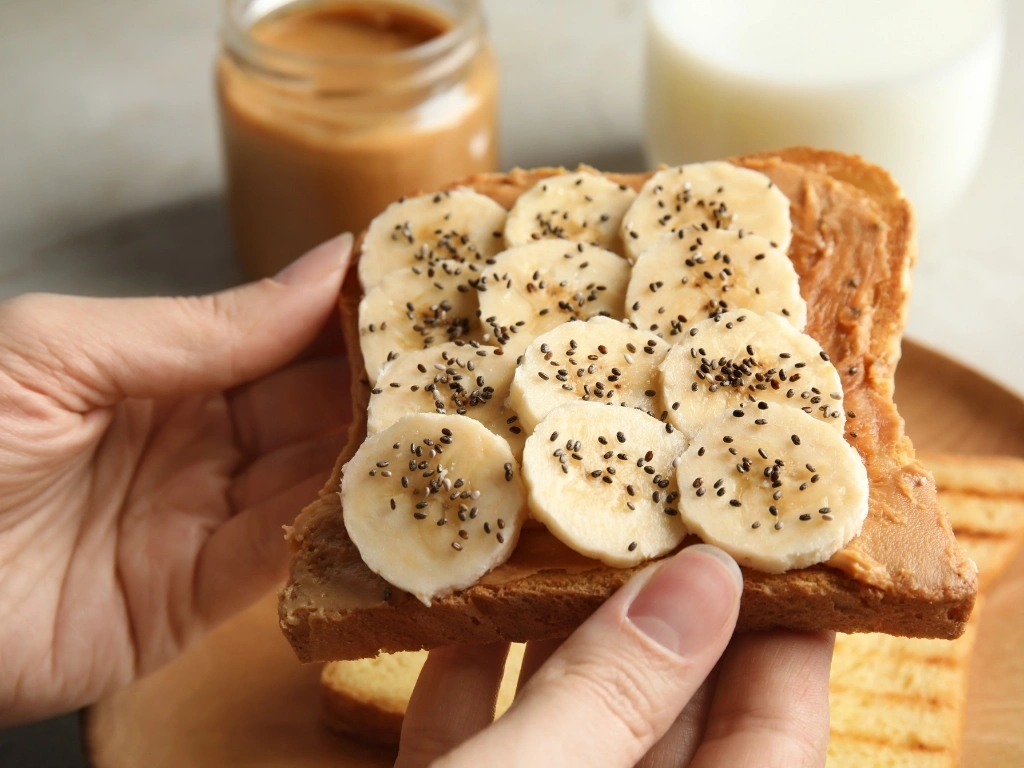
Day 1
- Breakfast: 2 slices of whole-grain seeded bread with 1 tbsp of peanut butter and 1 medium banana, sliced
- Lunch: Lentil vegetable soup (1 cup of lentils, 1 cup of leafy greens, and diced tomatoes) with 1 whole-wheat focaccia and olive oil for dipping
- Dinner: 4 oz broiled white fish served with ½ cup of brown rice, 1 cup of steamed vegetables, and ~5 olives
- Snacks: 1 oz dark chocolate with 1 glass of orange juice (freshly squeezed)
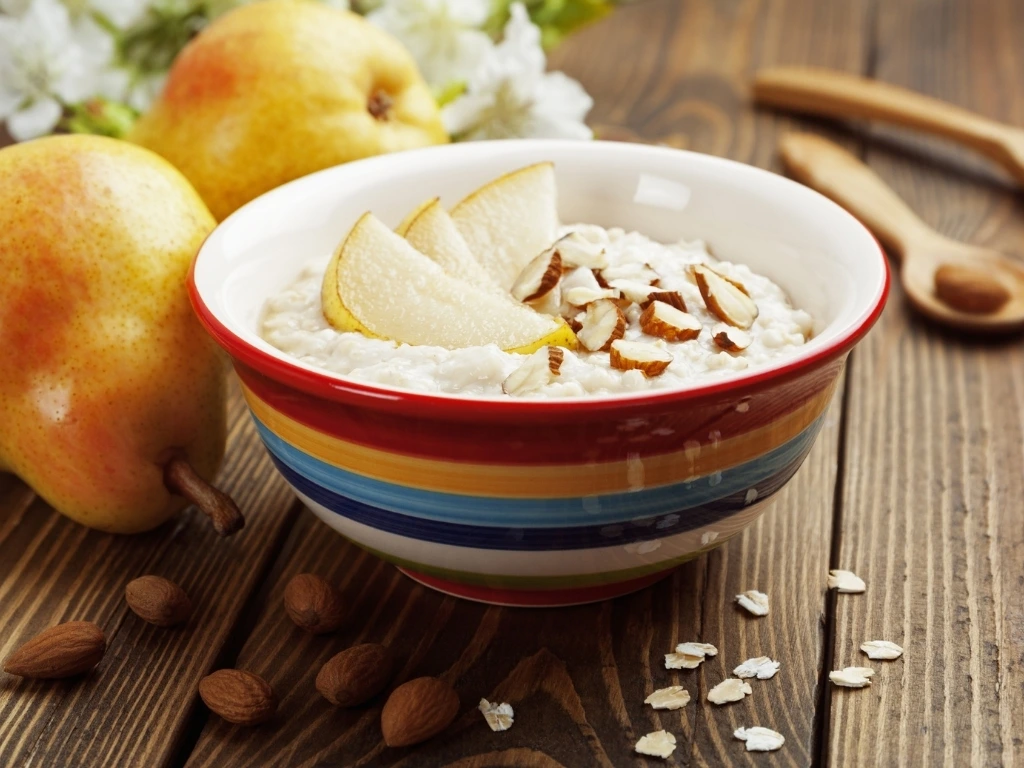
Day 2
- Breakfast: Rolled oatmeal (½ cup of oats) with 1 pear, 1 tbsp of nuts, and a drizzle of honey
- Lunch: Wholegrain wrap with 3 oz grilled chicken, 2 tbsp of hummus, and 1.5 cups of mixed vegetables
- Dinner: 3 oz baked chicken with herbs, 1 cup of roasted zucchini and peppers, 1 slice of wholegrain bread, and 1 tbsp of olive oil
- Snacks: 1 cup of grapes with 1 oz pistachios
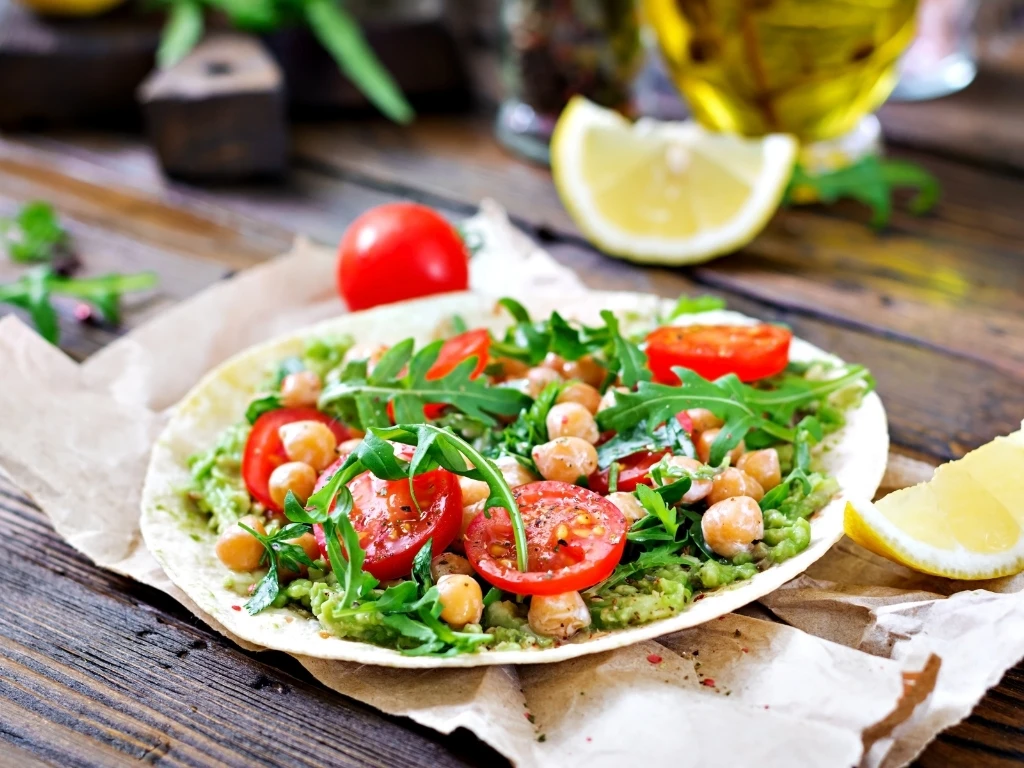
Day 3
- Breakfast: 2-egg veggie omelet with spinach served with 1 oz feta, 1 slice of wholegrain toast, and a side of 1 cup berries
- Lunch: Wholegrain Margherita-style pizza with olives and a side of 2 cups of greens
- Dinner: Chickpea salad (1 cup of chickpeas, 1 cup of mixed veggies) stuffed in whole-wheat pita
- Snacks: 1 cup of cucumber with 2 tbsp of tzatziki
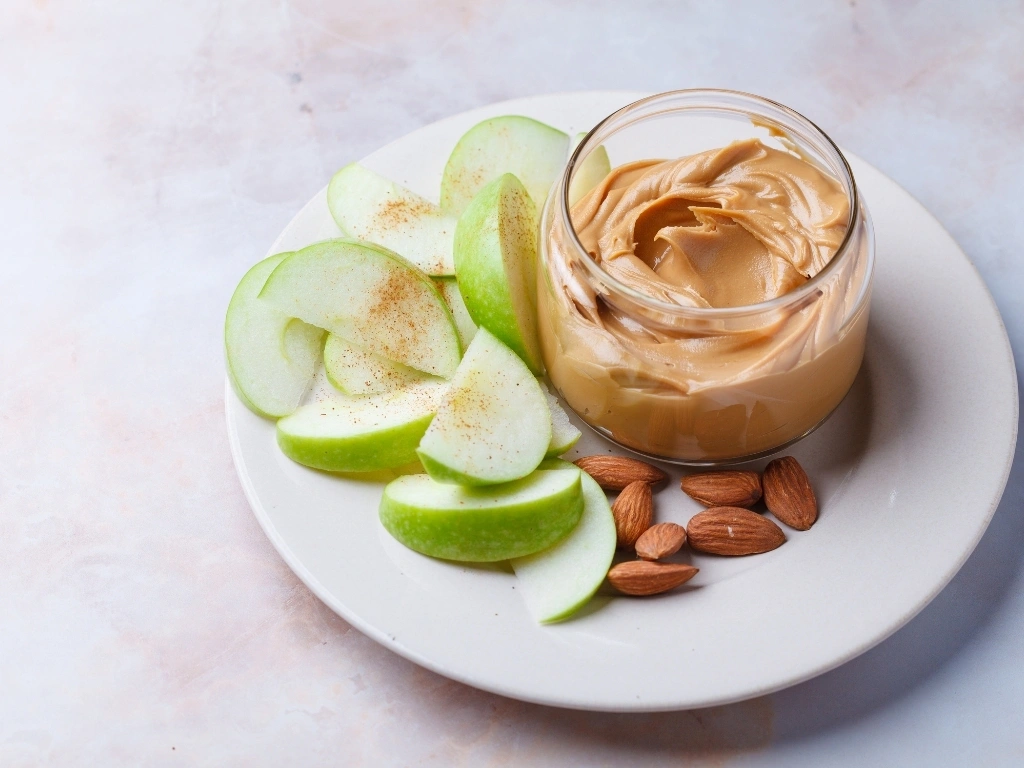
Day 4
- Breakfast: Wheat berry fruit bowl (½ cup of wheat berries, 1 cup of berries and kiwi, 1 tbsp of seeds)
- Lunch: Stuffed peppers with ½ cup of farro and 2 servings of mixed vegetables
- Dinner: 3 oz grilled chicken in a whole-wheat pita with 2 servings of tomato and greens
- Snacks: 1 apple with 1 tbsp of almond butter and a small handful of nuts
Day 5
- Breakfast: 2 slices of wholegrain toast with 1.5 oz ricotta and tomato slices
- Lunch: White beans and vegetable salad (1 cup of white beans, 2 cups of mixed veggies) with 1 tbsp of olive oil
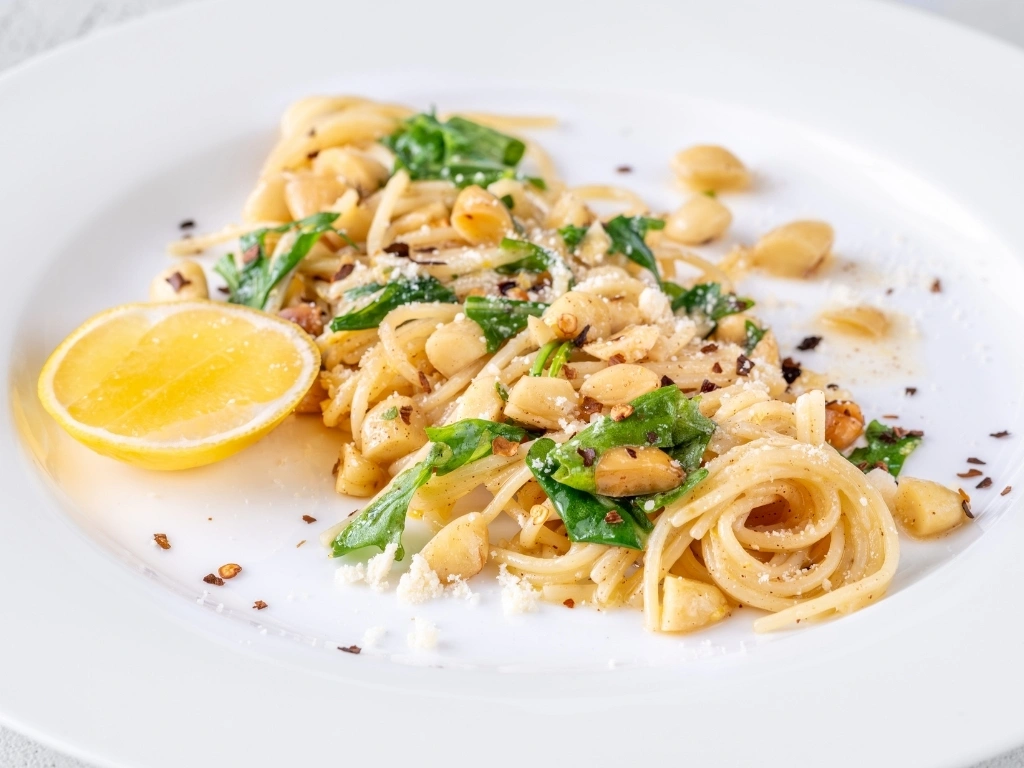
- Dinner: Lemon and toasted pine nut pasta (1 cup of wholegrain pasta, 1 cup of vegetables, 1 tbsp of pine nuts, garlic, olive oil, herbs)
- Snacks: 1 oz low-fat mozzarella cheese and 1 cup of grapes

Day 6
- Breakfast: ½ cup of overnight oats with 1 cup of papaya and 1 tbsp of nuts
- Lunch: Minestrone soup (½ cup of beans, 1 cup of mixed veggies) with 1 slice of wholegrain bread
- Dinner: 3–4 oz baked sardines with ½ cup of quinoa, 1 cup of roasted vegetables, and a handful of olives
- Snacks: 1 banana with 2 tbsp of yogurt
Day 7
- Breakfast: 2 eggs and 1 cup of grilled eggplant with 2 slices of wholegrain toast
- Lunch: Hummus grain bowl (½ cup of grains, ¼ cup of hummus) with 2 cups of vegetables
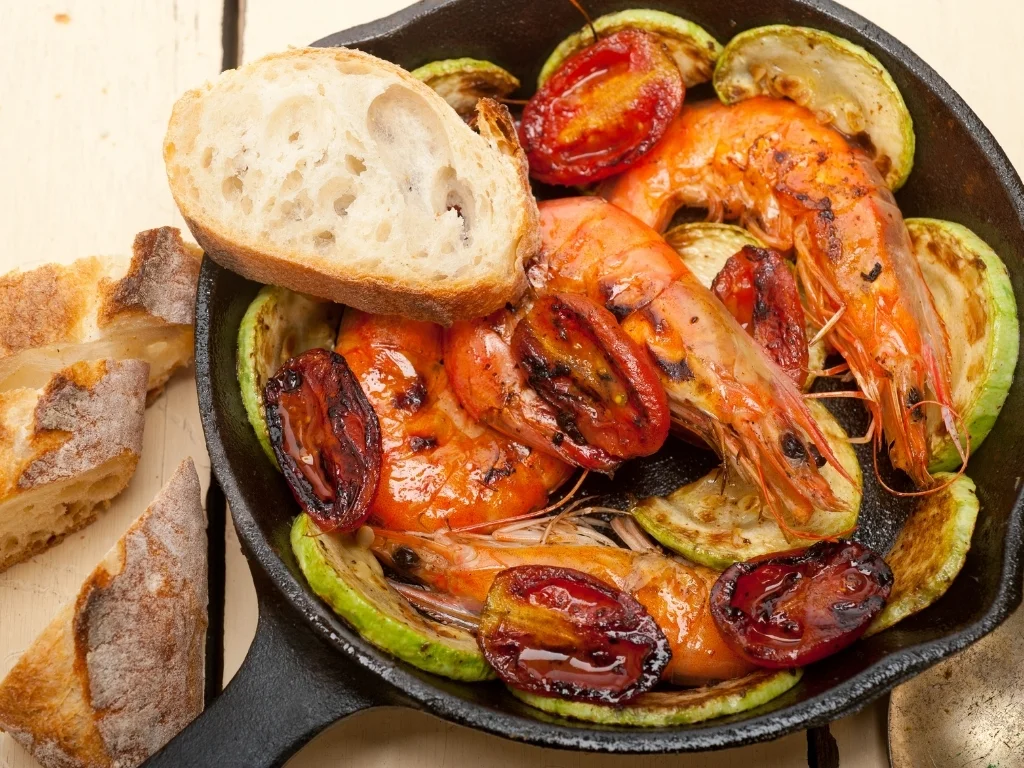
- Dinner: 2 cups of roasted vegetables with 1 cup of grilled shrimp and 1 tbsp of olive oil
- Snacks: Orange slices and veggie sticks with 2 tbsp of hummus
How to slowly adopt the Mediterranean diet for sustainable weight loss
Consistency is what makes the Mediterranean diet much easier to follow and more effective for managing weight long-term. If you’re keen on losing weight but feel overwhelmed by adopting a new eating pattern, here are easy steps you can start with:
- Make olive oil a kitchen staple for cooking and dressings. It’s still calorie-dense, so a little goes a long way.
- Choose whole foods over processed options. A common mistake is relying on packaged “Mediterranean-style” foods that are actually still highly processed.
- Be mindful of portions. Even healthy foods can bring unsavory effects when consumed in excess.
- Stick to easy, familiar meals you genuinely enjoy. Rotating a few go-to dishes can make this way of eating easier to sustain.
Support sustainable weight loss with guided nutrition from Health Loft
A meal plan built around the Mediterranean diet can indeed be valuable for weight loss. This way of eating has been proven to bring a wide array of benefits that go beyond simply lowering numbers on the scale. More importantly, the Mediterranean diet introduces healthy dietary habits that make it worth adopting long-term — unlike other diets that rely on quick fixes and don’t provide long-term results.
To help make your journey much more effective, consider working with a registered weight loss dietitian for a personalized nutrition approach. At Health Loft, our experts can craft seven-day meal plans for weight loss that are closely tailored to your individual needs, preferences, and fitness goals. Our dietitians also help to teach you the skills to build healthy meals on your own. This way, you get to actually enjoy the foods you eat — while receiving the nutrients your body requires at the same time.
Speak with a Health Loft dietitian to take a step towards more effective and supportive weight management.
This article was reviewed by Haleigh Mann, MS, RDN, LDN. It is intended for informational purposes only and does not replace personalized nutritional advice.