








Gut health has moved from a niche topic to something many people think about daily. You might hear about it from your doctor, see it in wellness articles, or notice it on food labels. That’s because your gut is the first line of defense in the body, helping protect your body from harmful bacteria, supporting digestion, and even influencing how you feel day to day.
As interest in gut health grows, two terms come up again and again: probiotics and prebiotics. Since they’re usually mentioned together, it’s easy to confuse them for one another. But they’re not the same thing.
While these terms sound similar, they serve different roles in the body. Once you understand how each one works, supporting your gut becomes much more manageable.

What are probiotics?
Probiotics are live microorganisms, often referred to as “good bacteria.” You already have them in your digestive system, but certain foods can help replenish or diversify them.
Their main role is to support balance in the gut microbiome. When that balance is off, some people notice changes like bloating, irregular bowel movements, or discomfort after eating.
Including probiotic-rich foods regularly may help support a more stable gut environment. While this doesn’t usually lead to quick changes, it can contribute to more predictable digestion over time.
Key benefits of probiotics
Probiotics are closely associated with digestive health because of their role in maintaining balance in the gut.
- Probiotics may help support a healthier balance between helpful and less helpful bacteria. Your gut contains many types of strains, and not all of them are beneficial. When balance is achieved, digestion often feels more predictable and less reactive.
- Probiotics are involved in breaking down certain components of food, particularly in the later stages of digestion. This can help support how your body processes nutrients and may make meals feel easier to digest over time.
- Some people notice fewer symptoms like bloating, gas, or irregular bowel habits when probiotic-rich foods are part of their routine. While responses vary, a more balanced gut environment is often linked to improved comfort.
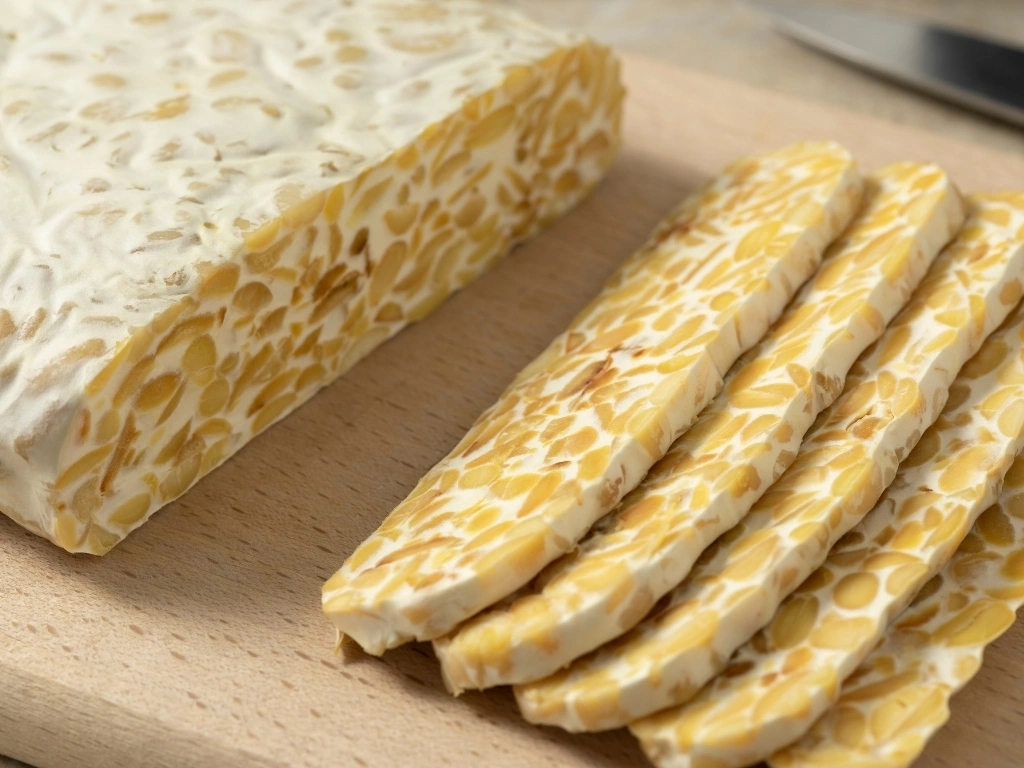
Which food sources provide probiotics?
Probiotics are commonly found in fermented foods that contain live beneficial bacteria:
- Yogurt with live cultures
- Kefir
- Sauerkraut
- Kimchi
- Miso
- Tempeh
- Kombucha
- Naturally fermented vegetables
Including these foods regularly can help introduce beneficial bacteria into your digestive system.
What are prebiotics?
Prebiotics are a type of fiber that your body does not digest. Instead, they pass through the digestive tract and serve as food for beneficial bacteria.
This is sometimes referred to as prebiotic fiber. While prebiotics don’t contain bacteria themselves, they help the bacteria already present in your gut function more effectively.
In practical terms, eating more prebiotic-rich foods helps “feed” your gut so beneficial bacteria can thrive. Without enough of this type of fiber, even a diet that includes probiotics may not support gut health as effectively.
Key benefits of prebiotics
Prebiotics tend to work more behind the scenes, but their role is just as important: supporting the environment where beneficial bacteria thrive.
- Prebiotics provide the fuel that beneficial gut bacteria need to survive and multiply. Without enough of this fiber, those bacteria may not thrive, even if you are consuming probiotic foods.
- As gut bacteria break down prebiotic fiber, they produce compounds that help support the lining. This helps create conditions where beneficial bacteria can continue to function well, benefiting the overall environment of the digestive tract.
- Because prebiotics are a type of fiber, they can help support more consistent bowel movements. This can make digestion feel more regular without needing to rely on quick fixes.
- A gut microbiome well-nourished by prebiotics may respond more steadily to meals. Some people find that this leads to fewer sudden digestive changes and a more stable pattern over time.
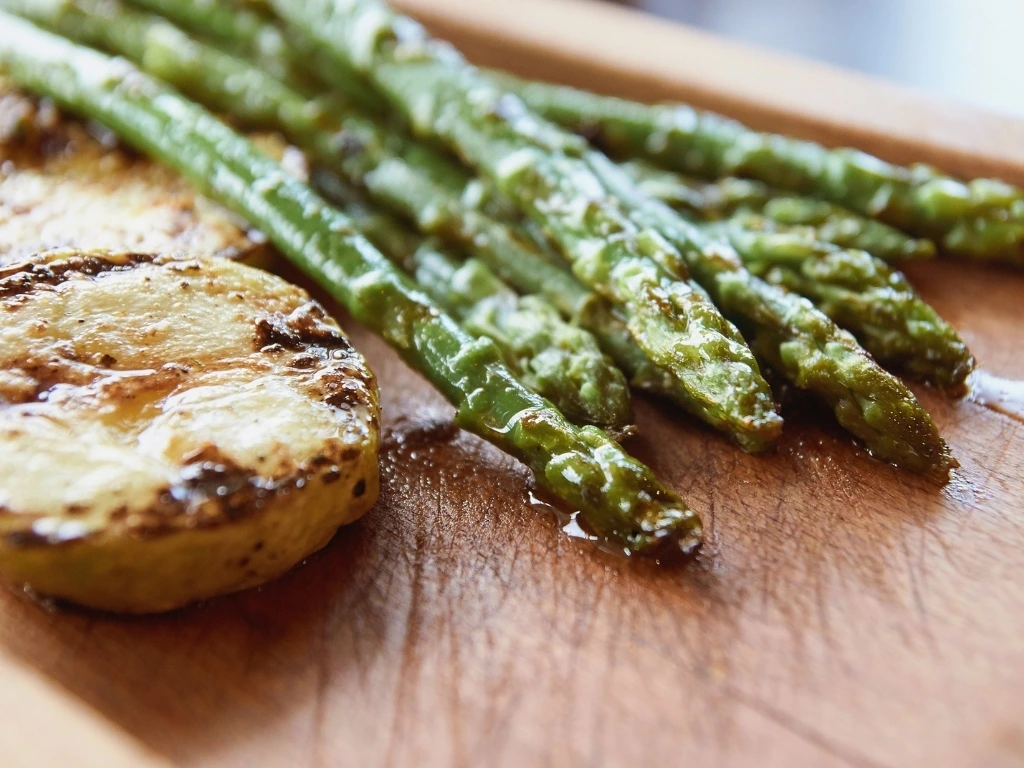
Which food sources provide prebiotics?
These foods are naturally rich in prebiotic fiber:
- Garlic
- Onions
- Leeks
- Asparagus
- Squash
- Bananas, especially slightly green
- Oats
- Apples
- Chicory root
- Barley
- Flaxseeds
These foods are easy to add to meals like soups, stir-fries, or breakfast bowls.
What is the difference between probiotics and prebiotics?
The simplest way to understand probiotic versus prebiotic is this: one introduces helpful microbes into your gut, and the other helps those microbes grow and stay active.
If you think of your gut like a garden, prebiotics are the nutrient-rich fertilizer that prepares the soil, while probiotics are the living seeds you plant to grow a robust microbiome. You need both probiotics and prebiotics to support a well-functioning gut.
How to know if you’re getting enough prebiotics and probiotics
You don’t need to track exact amounts or take complicated supplements to support your gut. Many everyday foods naturally contain probiotics and prebiotics, and simply including both in your meals can already support gut health in a practical way.
A simple way to check whether your intake is enough is to look at your current eating habits and routine. Are you regularly eating fiber-rich plant foods like fruits, vegetables, oats, beans, or seeds? Are fermented foods like yogurt, kefir, or kimchi showing up in your meals a few times a week? If both are present, you’re likely supporting both sides of the probiotic vs. prebiotic balance.
Consistency is much more important than aiming for perfection. You may not notice immediate changes, and that’s normal. Gut health tends to improve gradually, often over weeks rather than days.
At the same time, it’s helpful to keep in mind that not everyone responds to foods in the same way. Some people feel better when increasing fiber slowly. Others may notice certain fermented foods don’t sit well with them.
If you have a digestive condition or undiagnosed symptoms, it can be even harder to know what balance actually works for your body. These are exactly the reasons why managing gut health requires a personalized and expert-guided approach.
Build a gut-supportive nutrition plan with Health Loft
Probiotics and prebiotics both contribute to digestive health, but they work best as part of a balanced diet. Prioritizing whole foods and consistent eating patterns is usually more effective than relying on a single product or supplement.
Gut health is shaped by many factors, including diet, stress, sleep, and individual health conditions. Because of this, what works well for others may not always feel the same for you.
At Health Loft, we take an individualized, whole-body approach, looking closely at your eating patterns, symptoms, and health goals to develop a nutrition plan that’s tailored to your needs. Working with a dietitian who specializes in gut health means you’re not just getting general advice. You receive targeted guidance based on how your digestive system responds, along with hands-on support in identifying triggers, improving tolerance to certain foods, and building habits that promote more stable digestion.
If you have ongoing digestive issues or are unsure how to balance probiotics and prebiotics, connecting with a Health Loft dietitian can make things clearer. Start building a practical, sustainable plan for better gut health for as low as $0, depending on your insurance coverage.
This article was reviewed by Solveig Adalsteinsdottir, MS, RDN, LDN. It is intended for informational purposes only and does not replace personalized nutritional advice.