









If you have ulcerative colitis (UC), you may be wondering whether plant-based eating is a good fit for you. With more people choosing meatless meals for health, environmental, or personal reasons, it’s natural to be curious about how this approach might affect your digestive health.
For some individuals with ulcerative colitis, plant-based diets can support gut health and overall nutrition — though it doesn’t work the same for everyone. One way to successfully maximize plant foods while managing UC is to pay close attention to how your body responds and adjust your choices based on the symptoms you’re experiencing and your individual nutritional needs.

Understanding ulcerative colitis and food tolerance
Ulcerative colitis causes ongoing inflammation in the colon, which affects digestion. When the colon is inflamed, it may struggle to absorb fluids and nutrients efficiently, as food can move through the digestive tract more quickly or irregularly.
Symptoms like diarrhea, cramping, urgency to pass a bowel movement, bloating, and abdominal pain can make certain foods harder to tolerate. Even generally healthy foods may cause discomfort, and passing bowel movements too frequently can interfere with nutrient absorption.
Food tolerance also varies widely and can change over time. For example, many people find fiber and certain plant foods more difficult to tolerate during flares but easier to tolerate during remission. This is why dietary approaches for ulcerative colitis often need to maintain flexibility and be tailored to individual symptoms.

How can a plant-based diet alleviate ulcerative colitis symptoms?
A plant-based diet centers on vegetables, fruits, whole grains, legumes, nuts, and seeds. Some people use the term interchangeably with vegetarian or vegan diets, depending on whether dairy or eggs are included. Either way, the main idea is simple: plants make up the majority of your meals.
A well-planned plant-based diet may offer several key benefits for people with ulcerative colitis:
Anti-inflammatory effects
Many plant foods contain phytochemicals, or natural compounds that help reduce inflammation and support gut health. These include polyphenols, flavonoids, and carotenoids, which are commonly found in colorful fruits and vegetables, leafy greens, nuts, seeds, and spices.
Because ulcerative colitis involves ongoing inflammation in the colon, regularly eating a variety of these foods may boost your body’s natural defenses. This provides steady anti-inflammatory benefits, along with the addition of flavor and important nutrients.
Turmeric and ginger, in particular, have long been studied for their potential role in helping to reduce the severity of flares and supporting remission. While they aren’t cures, they may complement medical treatment.
Antioxidant protection for the gut lining
Most anti-inflammatory plant foods also act as antioxidants. These compounds help protect your cells from oxidative stress, which increases when inflammation is active. In ulcerative colitis, oxidative stress may weaken the gut lining. Antioxidants help support and protect these cells. Some common sources good for ulcerative colitis include fatty fish, olive oil, grains, legumes, fruits and vegetables (well-cooked or pureed), plain yogurt, and green tea.
Healthier gut microbiome
Studies suggest that plant-based diets can positively influence the gut microbiome, which plays a central role in digestive and immune health. Soluble fiber from fruits, vegetables, legumes, and whole grains feeds beneficial bacteria in the gut. In return, these bacteria produce short-chain fatty acids that nourish the gut lining and help regulate inflammation.
Conversely, diets very high in animal protein have been linked to bacterial patterns that may promote inflammation. Shifting toward more plant foods may help rebalance the gut microbiome, helping to improve digestion and overall metabolic health.
Potential challenges with a plant-based diet for ulcerative colitis
A plant-based diet isn’t automatically the right choice for everyone with ulcerative colitis. Some people thrive on it, while others need modifications. It often involves a process of trial and error to find what works best for each individual.
Varying food tolerance based on disease activity
Individual tolerance often depends on whether the ulcerative colitis is in a state of flare or in remission. For instance, while fiber supports gut health in remission, too much fiber — particularly insoluble sources like vegetable skins, bran, and seeds — during flares may increase the occurrence of loose stools, urgency with bowel movements, or abdominal discomfort. Temporarily reducing these foods may help to ease symptoms when the colon is actively inflamed.
Raw or minimally processed foods may also be more difficult to break down during a state of active inflammation. Cooking, steaming, roasting, or blending fruits and vegetables can make them easier to digest, and therefore more gentle on the digestive tract.
Limited food variety during flares
During active inflammation, many plant foods may be too harsh on the gut, leaving limited choices for creating balanced meals and snacks. Careful selection of easily digestible vegetables and some temporary modifications is often necessary, rather than strictly adhering to a fully plant-based eating pattern.
Unintentional weight loss or low energy
Plant foods can be lower in calories per serving and higher in fiber, which increases fullness. For someone experiencing reduced appetite, diarrhea, or increased energy needs during recovery, it may be difficult to eat enough to support basic needs. Without careful planning, this can contribute to unintentional weight loss, low energy levels, or even slower recovery from flares.
Risk of nutrient deficiencies
Plant-based diets can also be short on certain nutrients — such as iron, vitamins D and B12, calcium, and protein — if not planned carefully. This is especially important in ulcerative colitis, where nutrient absorption may already be negatively affected.
Incorporating the following into your diet can help prevent these deficiencies:
- Protein-rich plants, such as legumes, soybeans, quinoa, almonds (preferably in nut butter form), and dark leafy greens (well-cooked)
- Fortified foods, such as cereals, grains, and non-dairy milk enriched with iron, calcium, B vitamins, and other nutrients
- Supplements (if recommended by a healthcare provider)
Are vegan or vegetarian diets required for ulcerative colitis?
You don’t need a fully plant-based diet to manage ulcerative colitis effectively. Some people feel best including small amounts of animal products, such as dairy, eggs, or fish, but it really depends on what your body can tolerate and what your physician recommends.
Since symptoms and food tolerance are highly individualized, there’s no single “right” way to approach nutrition when you have ulcerative colitis. The key is finding a balance that meets your nutrient needs, supports your gut health and energy levels, is adjustable depending on your disease activity, and feels sustainable in the long term. Working with a dietitian can help you decide whether a vegan, vegetarian, or mixed approach makes the most sense for your body.
Tips for trying a plant-based diet with ulcerative colitis
If you’re considering a plant-based diet with UC, a gradual, thoughtful approach can help you enjoy the benefits of plant foods while minimizing discomfort.
Start slowly and pay attention to preparation methods
Don’t switch your entire diet overnight. Add one new plant-based meal or snack at a time, then give your body a few days to adjust. Cooked, steamed, roasted, peeled, or deseeded fruits and vegetables are usually easier to digest than raw options, especially during flares. For example, applesauce may be better tolerated than raw apples.
Be intentional about protein and iron
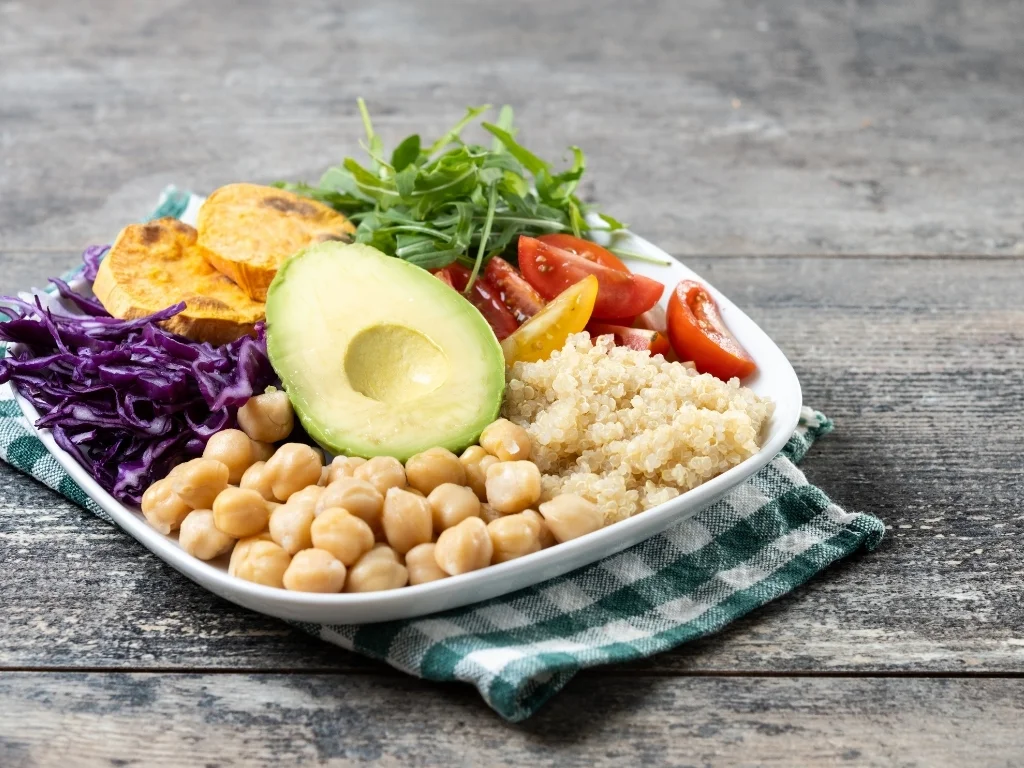
Plant-based protein sources include beans, lentils, tofu, tempeh, nuts, seeds, and whole grains. Varying your choices throughout the day helps you to meet your protein and overall nutrient needs.
Iron requires special attention in ulcerative colitis. Heme iron, the type mostly found in meat, fish, and poultry, is more easily absorbed by the body, but you can still meet your iron needs with plant sources. Choose iron-rich foods such as fortified cereals and grains, and pair them with vitamin C–rich foods to enhance absorption. If diet alone isn’t enough to increase iron, or if lab tests show low levels, your healthcare provider may recommend adding an iron supplement to your daily routine.
Adjust fiber based on symptoms
Fiber tolerance often varies between times of flares and remission. During flares, following a temporary low-residue diet may help reduce digestive strain. Focus on lower-fiber foods like white rice, refined oats, plain pasta, and well-cooked, soft vegetables. As symptoms improve, gradually reintroduce higher-fiber foods. Fiber — especially soluble sources — remains important for supporting digestion and beneficial gut bacteria, or probiotics.
Discover a sustainable approach to eating with Health Loft
While a plant-based diet may help to manage ulcerative colitis symptoms, it is only one piece of overall care. Ulcerative colitis is a complex condition, and tolerance, nutrient needs, and disease activity can vary from person to person. This is why individualized guidance is so important to managing UC.
Working with a registered dietitian who specializes in ulcerative colitis can make a meaningful difference in your UC journey. They can help you to manage symptoms, reduce the risk of nutrient deficiencies, and create meal plans that align with your lifestyle and health goals.
At Health Loft, our dietitians take the time to understand your unique situation and develop a practical, sustainable approach to eating. If you’re considering a plant-based approach or simply want clarity about what to eat, connect with a dietitian today.
This article was reviewed by Haleigh Mann, MS, RDN, LDN. It is intended for informational purposes only and does not replace personalized nutritional advice.