








Irritable bowel syndrome (IBS) is a long-term digestive condition that affects how the gut functions, often causing discomfort even when medical tests appear normal. It is linked to a range of symptoms, including abdominal pain, bloating, and unpredictable bowel patterns. However, it doesn’t look the same for everyone. Symptoms can vary in type, intensity, and pattern depending on the person and the type of IBS they have, whether constipation-dominant, diarrhea-dominant, or a mix of the two.
Because this is a chronic condition, many people turn their attention to natural IBS remedies that may help them feel more comfortable and regain a sense of control in their daily lives.

9 home remedies for IBS to promote digestive comfort
How does one treat IBS naturally? Finding your balance when dealing with this condition doesn’t happen instantly. It takes real work to gradually shape your day-to-day routine in ways that support better digestion: being more mindful of food choices, lowering stress levels, staying active, and making other lifestyle changes you can sustain over time.
It’s worth noting, however, that what benefits one person may not be as fruitful for another, which is why finding what works best for you is a crucial part of this journey. To help you get started, here are some commonly explored natural remedies used for IBS management, all of which are flexible, easily personalized, and centered on self-compassion.

1. Set regular meal times
Among the most manageable lifestyle factors is when we eat. No single diet works for everyone with IBS, though many notice that their digestive system responds better when they follow a routine. Eating consistent, evenly scheduled meals trains the gut to expect food, allowing for more predictable digestion. This can be especially beneficial for people who experience symptoms when they skip or delay meals.
For some people with IBS, the idea of eating more regularly may feel intimidating, especially if symptoms have followed meal times. You can ease into a new routine gradually, at a pace that feels safe and manageable with your obligations and schedule.
Spacing meals evenly rather than grazing continuously or skipping meals altogether tends to be better tolerated.
2. Keep portions moderate
If you’re prone to bloating or constipation, the size of your meals is as important as what you consume. Very large portions tend to be demanding for the digestive system, slowing digestion and increasing pressure in the gut. The key is to aim for portions that are enough to just satisfy, to avoid feeling uncomfortably full or even swollen afterward.
Planning for smaller, more frequent meals every three to four hours can help meet overall nutrition needs without overwhelming the gut.

3. Incorporate physical activity into daily life
Another natural remedy for IBS is staying active. Gentle exercise encourages natural gut motility, helping move food through the intestines and reducing the buildup of gas and waste.
It doesn’t need to be high-intensity. In fact, strenuous exercise can sometimes have the opposite effect by placing extra stress on the body, which may trigger or worsen symptoms for some people. Choose low- to moderate-intensity activities you can do consistently, such as walking, jogging, stretching, swimming, or cycling. Most importantly, choosing movement that you find enjoyable and accessible for your body helps support sustainable behavior change.
Aside from promoting better digestion, physical activity also offers other benefits, including calming the nervous system and easing tension that contributes to discomfort. Some forms of gentle activity have also been linked to an increase in beneficial gut bacteria, which may play a role in digestive comfort over time.
4. Choose fiber types thoughtfully
Fiber is often recommended as a natural IBS remedy, but not all types behave the same way in the gut. Soluble fiber lends the most comfort for an unpredictable stomach, as it dissolves in water and forms a gel-like texture that helps regulate bowel movements and feels gentler. Insoluble fiber, on the contrary, adds bulk and speeds digestion, which can trigger urgency, gas, and irritation. It’s useful to understand how different fiber sources affect you, so you can identify which options bring you relief.
The key to incorporating fiber into your IBS diet is to introduce it slowly and intentionally. This allows the gut to gradually allow dapt, which can help minimize gas, bloating, and discomfort.
5. Use gentle teas to support digestive comfort
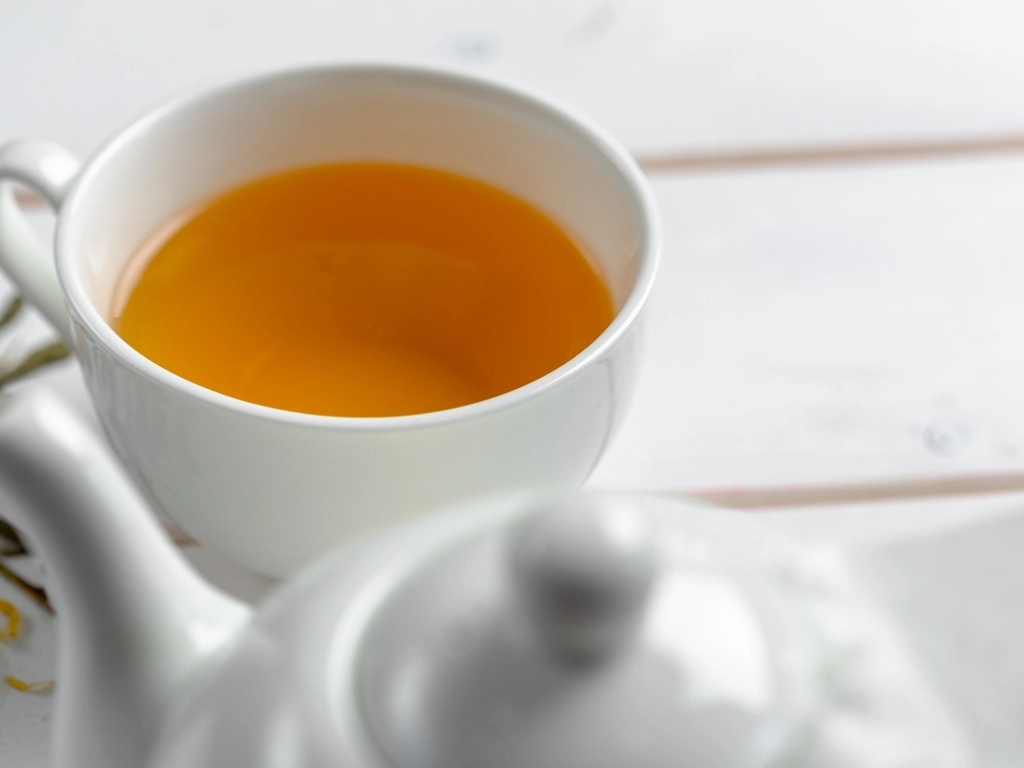
During flare-ups, when digestion feels sensitive, many people reach for herbal, caffeine-free teas as a gentle way to soothe the digestive system. Taking fennel or peppermint tea for IBS is often described to ease abdominal discomfort or bloating, while ginger, turmeric, and chamomile can also aid in symptom relief.
As with any dietary choice, responses largely vary depending on personal tolerance and the type of IBS. Some people find certain teas soothing. Others avoid them altogether due to sensitivities or allergies. Pay close attention to how your body reacts to understand which options feel most supportive for you.
If you follow a low-FODMAP approach, pure maple syrup or stevia are usually gentler options for sweetening tea, while honey may worsen symptoms for some.
6. Reduce stressors
The gut and brain are closely connected, so it’s no surprise that stress, anxiety, and intense emotions can influence digestion. While eliminating stress completely isn’t realistic, gently reducing daily stressors and adding calming practices — such as deep breathing, mindfulness, meditation, or guided relaxation — can help settle this gut-brain connection.
This does not mean that symptoms are “all in your head.” It simply reflects how closely the mind and body work together. When stress is better supported, many people notice their digestion feels calmer and more manageable.
7. Consider probiotic-rich food
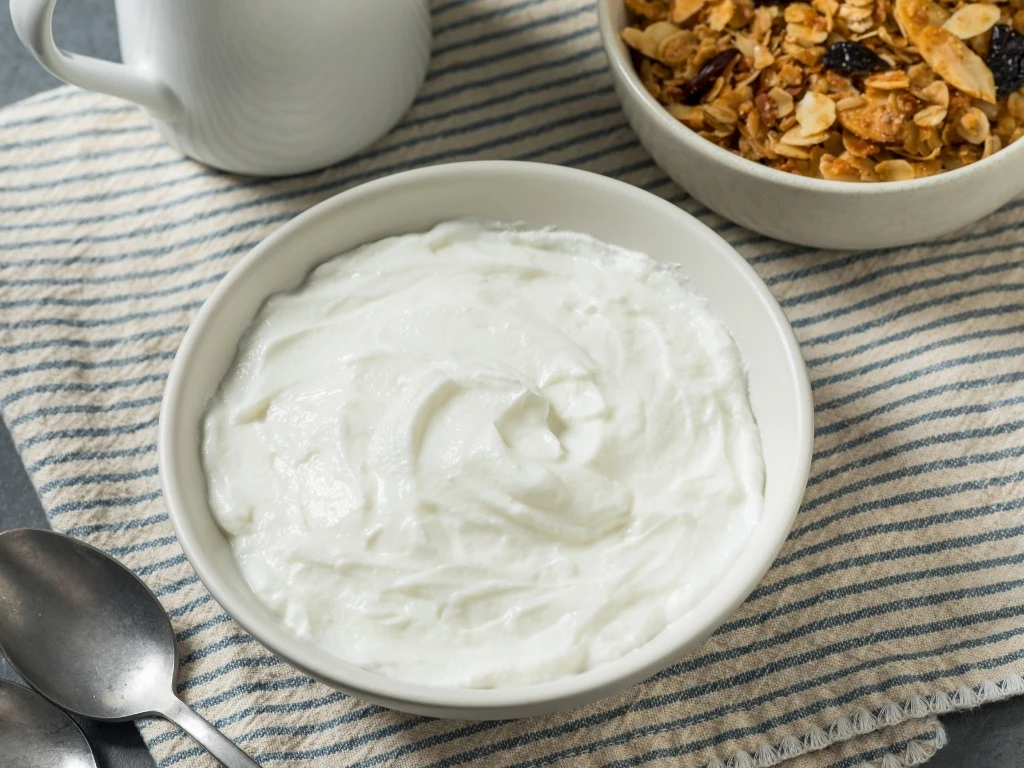
Some people choose probiotics or probiotic-rich foods as a way to support gut health alongside, or instead of, over-the-counter (OTC) medications for IBS. Research suggests that introducing beneficial bacteria into the digestive system may help improve overall symptoms by supporting the gut lining, reducing gas production, and influencing immune activity in the gut.
Common probiotic foods include yogurt and kefir, but there are also plenty of dairy-free options for those who are sensitive to lactose or milk products. For people with IBS, lactose-free choices such as almond, oat, rice, and soy-based probiotic drinks can offer similar benefits without the added digestive strain.
It’s important to know that responses to probiotics vary widely. Different strains affect the gut in different ways, and what helps one person’s IBS symptoms may not help another’s. The field of probiotic research is still emerging, and our understanding is continually evolving.
Monash University, a leading research center for IBS and the low-FODMAP diet, recommends trying one probiotic at a time for at least 4 weeks while monitoring symptoms. If there is no meaningful improvement after up to 12 weeks, it’s usually best to discontinue and try a different option. Choosing low-FODMAP, IBS-friendly probiotic products can also help reduce the risk of triggering symptoms while you experiment.
8. Create a regular bathroom routine
Just as regular meal times can help regulate digestion, setting aside unhurried time each day for bathroom use may support more predictable bowel habits. Many people find that going shortly after a meal can be an effortless, natural remedy for IBS.
When the urge arises, try to respond without rushing or straining, and allow your body to relax. This can reduce tension and frustration around bowel movements. Keep in mind that bowel retraining is a gradual process, so stay patient and consistent.

9. Identify personal food triggers
Certain foods are frequently described as gut irritants, including excessive caffeine, alcohol, artificial sweeteners, spicy foods, high-fat fried foods, and items high in fermentable carbohydrates. While these can worsen IBS for some people, things aren’t always black and white when it comes to IBS. Learning what personally triggers you is far more useful than following a list of “bad” foods to avoid.
One way to naturally remedy this IBS dilemma is by keeping a record of what you eat, when you eat, and any symptoms that follow. Reviewing these notes regularly can reveal patterns that are easy to overlook.
You may start to notice that certain foods, portion sizes, eating habits, or even stressful days tend to line up with flare-ups. Because triggers are highly individual and can change over time, this process works best as a long-term experiment rather than a one-time test.
It can feel confusing or even frustrating to spot patterns at first, but leaning into it with curiosity and kindness toward yourself can make it easier to understand your body’s signals over time.
Personalized nutrition support for calmer, more manageable IBS
Learning about natural remedies for IBS that can be easily adopted and performed at home can be empowering, but navigating what actually works for your body is still a challenge on its own. There’s no one-size-fits-all solution to a condition as complex and highly individual as IBS. This is where having a registered dietitian in your corner can be supportive.
Dietitians who specialize in IBS can turn broad recommendations into a personalized strategy shaped around your specific IBS type, symptom patterns, food preferences, daily routine, and long-term goals. Instead of relying on guesswork, you can count on them to help you prioritize which at-home approaches are ideal for your situation and identify which may be unnecessary.
Just as importantly, an IBS dietitian protects your overall nutrition and relationship with food. This guidance can reduce the risk of overly restrictive eating, nutrient gaps, or growing food fears, while still focusing on comfort and symptom relief.
If you’re looking for compassionate care tailored to your experience, Health Loft offers convenient telehealth sessions you can book from anywhere, with costs as low as $0 depending on your insurance coverage. Connect with a Health Loft dietitian today, and take a bold step toward feeling more confident, nourished, and in full control of your well-being.
This article was reviewed by Solveig Adalsteinsdottir, MS, RDN, LDN. It is intended for informational purposes only and does not replace personalized nutritional advice.