








For many people managing anemia, turning to diet and nutrition may feel instinctive. That makes sense. Fruits, vegetables, herbs, and targeted nutrients can all play a meaningful role in improving iron intake and absorption, especially when anemia is mild or caught early.
That said, natural remedies for anemia aren’t quick fixes, nor are they substitutes for medical care when it’s needed. They work best as part of a broader, thoughtful approach that includes proper testing, consistency, and a clear understanding of how iron functions in the body. When used as a complement to standard treatment, natural strategies can offer a practical and sustainable way to support healthy iron levels over time.

Understanding anemia and iron needs
Iron-deficiency anemia occurs when the body doesn’t have enough iron to produce adequate hemoglobin, the protein in red blood cells responsible for transporting oxygen throughout the body. When iron levels drop, oxygen delivery to tissues is reduced, often leading to symptoms like fatigue, weakness, dizziness, shortness of breath, headaches, and difficulty concentrating.
Iron comes from two main dietary sources:
- Heme iron, found in animal foods, which is absorbed more efficiently.
- Non-heme iron, found in plant foods, which is more susceptible to absorption barriers.
Natural approaches to managing anemia primarily support non-heme iron intake and absorption. They are most effective for people with mild deficiency, those at risk of low iron levels, or individuals maintaining healthy iron stores after treatment. In cases of moderate to severe anemia, medical evaluation and supervised supplementation may be necessary.
Herbs for low iron and iron deficiency
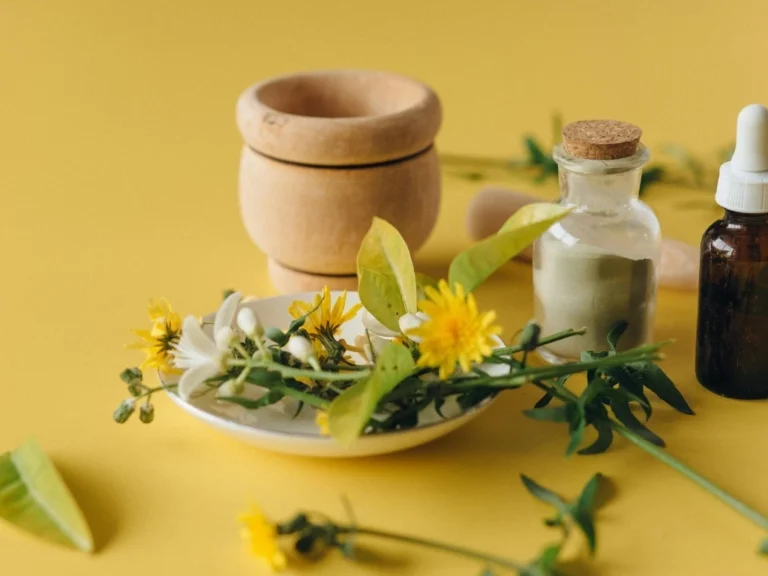
Herbs have long been used in traditional nutrition systems to support blood health and are typically included among natural remedies for anemia. While they don’t replace iron-rich foods or supplements, certain herbs can contribute small amounts of iron or support digestion and absorption.
Nettle leaf
Nettle leaf is frequently mentioned among herbs for low iron because of its mineral content, which includes iron, calcium, and magnesium. It’s commonly consumed as a tea or dried supplement and is generally well-tolerated by most.
Nettle doesn’t provide large doses of iron, but it can be a gentle, supportive addition to an iron-conscious diet, especially when used consistently.
Dandelion leaf
Dandelion leaf contains iron and folate, both of which are involved in red blood cell production. It’s also known for its digestive-supporting properties, which matter because poor digestion can interfere with nutrient absorption.
This herb is typically used in teas or tinctures and may be beneficial as part of a broader nutrition plan.
Yellow dock
Yellow dock has a long history of traditional use for iron support. It contains small amounts of iron as well as compounds that may help stimulate appetite and improve digestion.
Because yellow dock can act as a mild laxative at higher doses, it should be used with caution and ideally under professional guidance, particularly for people with digestive sensitivities.
Alfalfa
Alfalfa is a nutrient-dense herb that contains iron, vitamin K, and various trace minerals. It’s commonly used as a tea or dietary supplement and may offer gentle nutritional support when iron intake is low.
When considering herbs for iron deficiency, it’s important to remember that herbs can support iron status, but they don’t correct iron deficiency on their own. Observing proper dietary intake and, when necessary, seeking medical treatment should still be the priority.
Fruits high in iron for anemia
While fruits are not the most concentrated sources of iron, they remain a critical part of a well-rounded, anemia-supportive diet. Some contain modest amounts of iron, while others help enhance iron absorption due to their high vitamin C content.
Dried fruits
Drying fruit concentrates its nutrients, including iron. Common dried fruits that contribute small amounts of iron include:
- Raisins
- Dried apricots
- Prunes
- Dried dates
- Dried peaches
In addition to iron, these fruits provide fiber and quick energy. However, portions are best controlled, as dried fruits are calorie-dense.
Fresh fruits with iron
Certain fresh fruits contain small amounts of iron along with beneficial antioxidants:
- Figs
- Mulberries
- Pomegranate
- Black olives
- Avocado
While these aren’t primary iron sources, they fit well into an iron-rich diet, especially when combined with other foods containing iron.
Vitamin C-rich fruits that enhance absorption
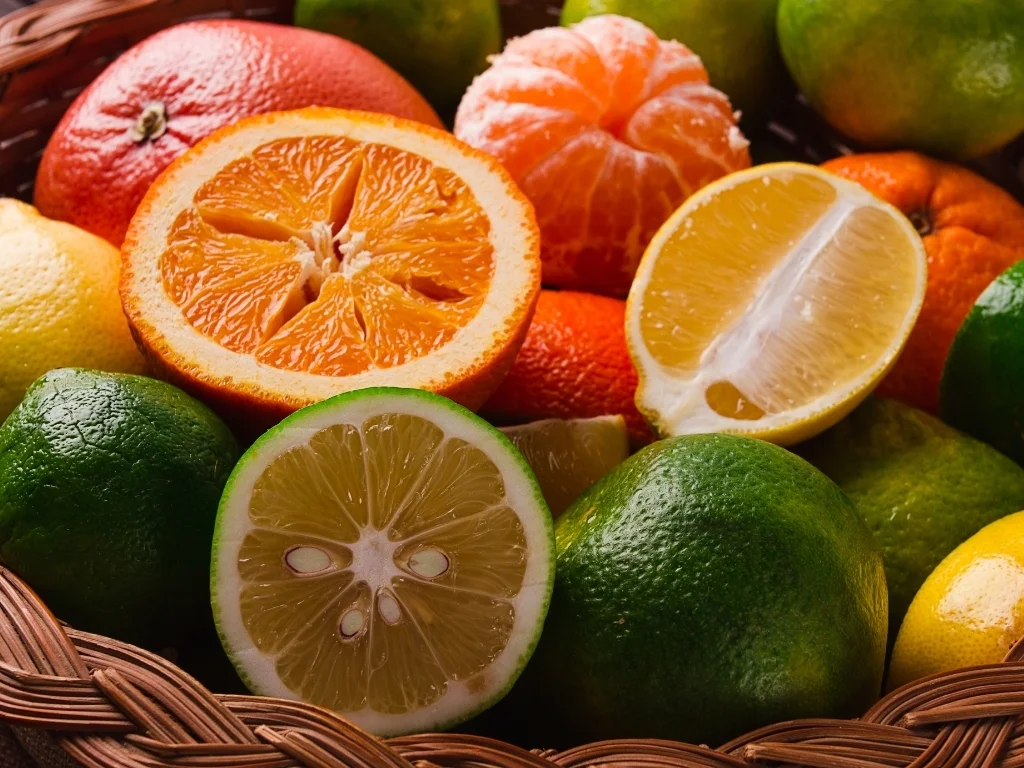
Vitamin C significantly improves the absorption of non-heme iron. Fruits particularly high in vitamin C include:
- Oranges, lemons, and other citrus fruits
- Guava
- Kiwi
- Pineapple
- Strawberries
Pairing these fruits with iron-rich meals can meaningfully increase the amount of iron the body absorbs. In many cases, this strategy is more effective than focusing on iron content alone.
Vegetables rich in iron for anemia
Vegetables play a central role in natural remedies for managing anemia, especially for individuals who follow plant-forward or vegetarian diets. While plant-based iron is less readily absorbed than iron from animal sources, thoughtful preparation and nutrient pairing can enhance its benefits.
Leafy greens
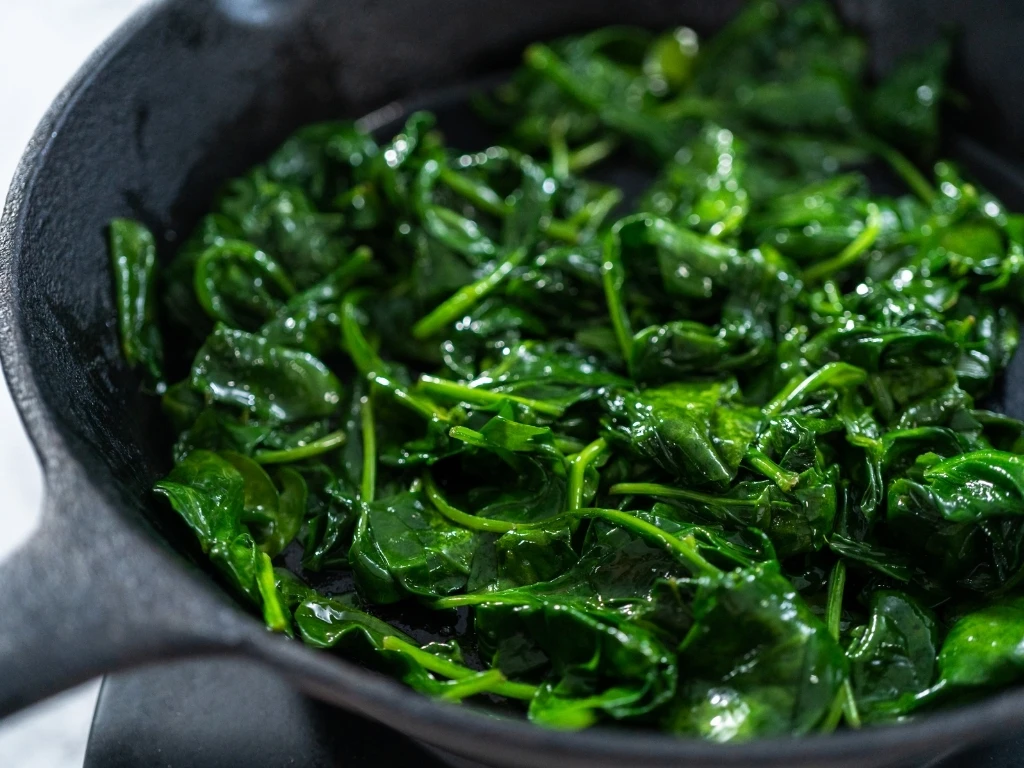
Leafy greens such as spinach, kale, and Swiss chard contain non-heme iron along with folate and other micronutrients that support red blood cell production.
Cooking leafy greens is particularly beneficial, as it reduces oxalates, compounds that can interfere with iron absorption. For this reason, cooked greens are generally more effective than raw varieties for anemia support.
Cruciferous vegetables
Broccoli, Brussels sprouts, and similar vegetables contain iron and vitamin C, which enhances the absorption of non-heme iron and helps offset some of the challenges associated with plant-based sources. Regular consumption of these vegetables supports both iron intake and overall nutrient density.
Legumes and plant-based staples
Lentils, chickpeas, black beans, and other legumes are among the most reliable plant-based iron sources. In addition to iron, they supply protein, fiber, and a range of beneficial minerals.
Soaking, sprouting, or thoroughly cooking legumes helps reduce phytates, naturally occurring compounds that may interfere with iron absorption.
Natural supplements for anemia
Some people turn to natural supplements for anemia when dietary changes alone aren’t enough. These should be used thoughtfully and, whenever possible, under the guidance of a healthcare professional.
Food-derived or plant-based iron
Iron supplements made from plant or food sources may be gentler on the stomach for some individuals. While they often contain lower iron doses, they can still be effective when taken consistently and absorbed well. The form and dosage of iron both matter, as taking more iron is not always better.
Vitamin C
For many people, vitamin C from fruits and vegetables is sufficient, but supplementation may be useful in targeted situations, such as when dietary intake is low or if iron absorption is a concern.
Folate and vitamin B12
Folate and vitamin B12 are essential for producing red blood cells. Low levels of either nutrient can cause their own types of anemia symptoms or occur alongside iron deficiency. Checking and correcting folate and B12 levels is often part of a complete approach to anemia care.
How to improve iron absorption naturally
Even the healthiest food choices won’t help much if your body can’t absorb iron well. Fortunately, a few practical habits can make a noticeable difference.
Pair iron-rich foods with vitamin C, which helps your body absorb iron more effectively. Avoid drinking coffee or tea with meals, as these can block absorption. Calcium can also interfere, so it’s best to space calcium-rich foods away from iron-focused meals. Cooking with cast iron cookware can also slightly increase iron content, especially when preparing acidic foods like tomatoes.
Consistency matters more than perfection. Small choices repeated over time can have a meaningful impact.
When natural remedies for anemia aren’t enough
Dietary strategies are valuable, but they do have limits. If symptoms persist despite consistent changes or if blood tests still show low iron levels, additional support may be necessary.
Iron absorption can be affected by many factors, including digestive conditions, hormonal shifts, chronic inflammation, or ongoing blood loss. Identifying these underlying issues is critical to effective treatment. In these situations, working with professionals who specialize in anemia and nutrition can help clarify what your body actually needs and prevent prolonged trial and error.
Support your iron levels with personalized care from Health Loft
Managing anemia looks different for everyone. What works well for one person may be ineffective for another, even with similar lab values. Iron needs vary depending on factors like absorption, diet, hormones, and underlying health conditions, which is why nutrition care is best individualized.
At Health Loft, you can easily connect with nutritionists and registered dietitians who specialize in anemia care. We specialize in evidence-based strategies, including how to safely incorporate natural remedies for anemia alongside diet and lifestyle changes. Whether your goal is to raise iron levels, refine herbal or food-based approaches, or better understand persistent symptoms, working with an expert helps you take informed steps that actually fit your life.
With professional support from Health Loft, natural remedies can become part of a clear, sustainable plan — one that balances your nutrition, supports long-term iron levels, and helps you feel more confident in managing your health.
This article was reviewed by Adrienne DePaul, MS, RDN. It is intended for informational purposes only and does not replace personalized nutritional advice.