








When managing anemia, most advice emphasizes eating more iron-rich foods. That’s important, but they’re only part of the equation, and how well your body absorbs iron plays just as big a role. Certain foods and drinks can quietly interfere with iron uptake, even if your overall diet looks healthy on paper.
This doesn’t mean you need to cut out half the foods you enjoy. In many cases, it’s about timing, balance, and understanding how specific nutrients interact with iron. By recognizing which foods to avoid with anemia (or at least space out from each other), you can make smarter choices that support your iron levels without unnecessary restrictions.

Why iron absorption matters when you’re anemic
Iron is essential for making hemoglobin, the protein in red blood cells that carries oxygen throughout the body. When iron levels are low, the body can’t deliver oxygen efficiently, leading to symptoms like fatigue, dizziness, shortness of breath, and difficulty concentrating.
However, not all iron is absorbed the same way. There are two main types of dietary iron:
- Heme iron, which comes from animal-based foods such as red meat, poultry, and fish, is easier for the body to absorb.
- Non-heme iron, found in plant-based foods like beans, leafy greens, and fortified grains, is more sensitive to factors that interfere with absorption.
Many people with anemia, especially those following plant-forward or vegetarian diets, rely heavily on non-heme iron. For this reason, understanding which foods can prevent iron absorption is especially important — not to avoid these foods entirely, but to manage how and when they’re eaten.
Foods that prevent iron absorption
The foods listed below don’t cause anemia on their own. They become a concern mainly when they’re consumed at the same time as iron-rich meals or iron supplements.
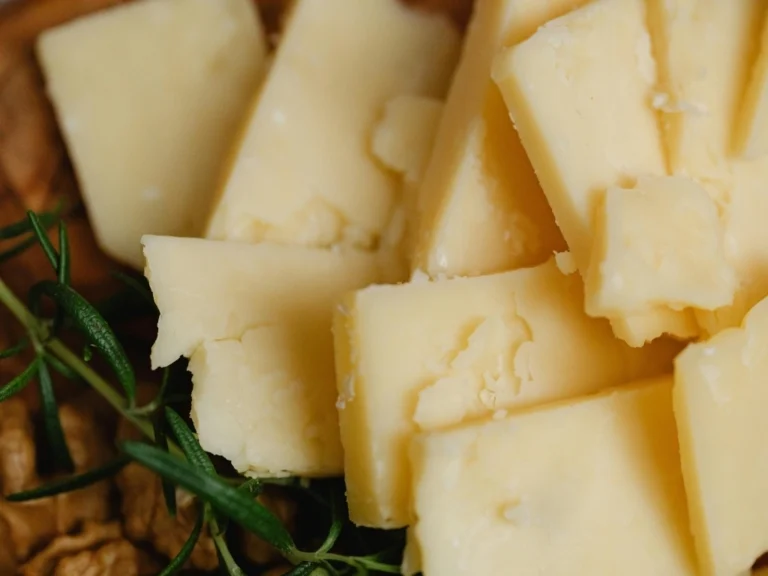
Calcium-rich foods
Calcium and iron compete for absorption in the digestive tract. When consumed together in large amounts, calcium can reduce how much iron your body absorbs.
Common sources include:
- Milk
- Cheese
- Yogurt
- Calcium-fortified plant milks and juices
This doesn’t mean dairy is off-limits when you’re anemic. Simple adjustments in timing, such as having dairy between meals instead of with iron-rich foods, can make a meaningful difference.
Coffee and tea
A common question people ask is whether caffeinated beverages like coffee are bad for anemic people. The good news is they aren’t, but it’s crucial to be mindful of when to consume them.
Coffee and tea contain compounds called polyphenols and tannins, which can significantly affect iron absorption when consumed with meals. This specifically applies to:
- Coffee (including decaffeinated options, which still carry the same compounds)
- Black tea
- Green tea
- Some herbal teas, such as peppermint or rooibos
To minimize their impact, it’s best to drink these beverages between meals rather than with food. Waiting one to two hours after eating before having coffee or tea is often enough.
High-phytate foods
Phytates are naturally occurring compounds found in many plant foods. They can bind to iron and limit how much the body can use, particularly from non-heme sources.
Foods high in phytates include:
- Whole grains
- Bran
- Beans
- Lentils
- Nuts
- Seeds
These foods are nutrient-dense and support overall health, so eliminating them isn’t recommended. Instead, preparation methods such as soaking, sprouting, fermenting, or cooking can lower phytate levels. Pairing these foods with vitamin C also helps counteract their effect on iron absorption.
Soy-based foods
Soy contains compounds that can interfere with iron absorption, especially when consumed in large amounts alongside iron-rich foods.
Examples include:
- Tofu
- Soy milk
- Edamame
- Soy-based meat alternatives
Soy can still be part of a balanced diet when you’re anemic. Moderation and spacing soy foods away from iron-rich meals are usually sufficient.
Eggs
Eggs contain a protein that can limit iron uptake, particularly non-heme iron. While eggs are a valuable source of protein and other nutrients, eating them alongside iron-rich plant foods may reduce how much iron the body can use.
As with other foods on this list, spacing matters more than avoidance. Eggs don’t need to be eliminated — just eaten thoughtfully.
Other things to avoid when anemic
Aside from food choices, some dietary habits can also affect iron absorption.
Taking iron supplements with the wrong foods
Iron supplements are commonly prescribed to treat anemia, but their effectiveness can be reduced when taken alongside the aforementioned foods and drinks, including coffee, tea, and dairy products. Calcium supplements should also be consumed separately from iron supplements.
Iron is best absorbed when taken with water or alongside a source of vitamin C, such as citrus fruit or juice, which helps the body use iron more efficiently.
Repeatedly pairing iron-rich meals with absorption blockers
Occasional pairings aren’t a problem, but consistently combining iron-rich foods with blockers can slow progress. For example, having fortified cereal with milk and coffee every morning may significantly limit the amount of iron you absorb over time.
Changing when you drink coffee or modifying one component of a meal can help without disrupting your routine.
Relying on supplements alone to fix anemia
Supplements can be helpful, but they don’t resolve anemia on their own. Sufficient iron absorption, consistency, meal composition, and overall dietary patterns all influence how effective supplements will be.
What to do instead to support iron absorption
Avoidance isn’t the goal; better support is. These strategies can help your body absorb more iron from the foods you already eat.
Pair iron with vitamin C
Vitamin C enhances the absorption of non-heme iron by converting it into a form that’s easier for the body to take in.
Helpful combinations include:
- Beans with bell peppers
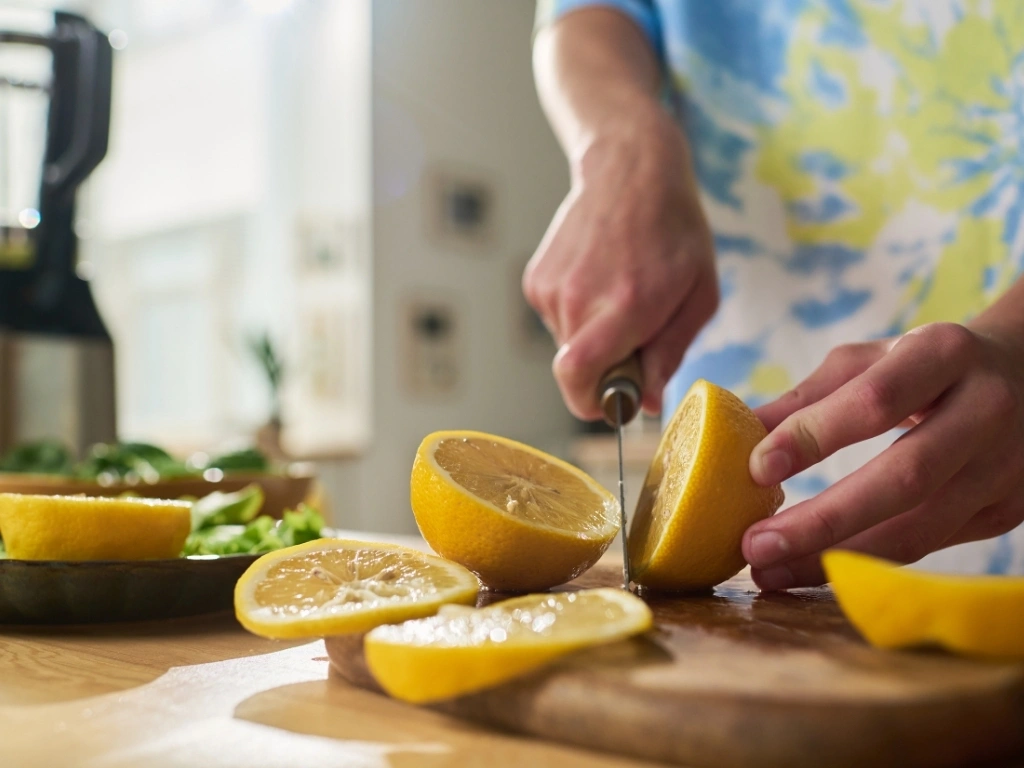
- Spinach with lemon juice
- Fortified grains with berries or citrus fruit
Even small amounts of vitamin C can have a noticeable effect.
Time foods strategically
Spacing iron-rich meals away from calcium, coffee, and tea helps reduce absorption interference. For many people, this looks like:
- Iron-rich meals with water or juice
- Coffee and tea between meals
- Dairy-based snacks later in the day
This approach supports absorption without requiring major dietary changes.
Use iron-friendly cooking methods
Cooking with cast iron cookware can slightly increase the iron content of foods, especially acidic foods like tomato-based dishes. While this won’t replace dietary iron sources, it can offer a small but helpful boost over time.
When to seek professional guidance
Dietary changes can be very effective for improving iron levels, but they don’t work the same way for everyone. If symptoms like fatigue, weakness, dizziness, or shortness of breath persist — even after adjusting your diet or taking supplements — it may be time to seek personalized support.
Iron absorption can be influenced by factors beyond food choices, including digestive health, hormonal changes, chronic conditions, and individual nutrient needs. Rather than guessing through trial and error, consulting a nutrition professional can help identify the underlying cause of your low iron levels and determine whether changes to diet, supplementation, or timing are essential.
Find a balanced approach to managing anemia
You don’t have to follow rigid rules or cut out entire food groups. When managing anemia, learning which foods to avoid — or more accurately, which to space thoughtfully — is an excellent first step toward supporting iron absorption while still enjoying a varied, nourishing diet.
Often, small shifts in timing, food pairings, and daily habits can have a greater impact than strict dietary restrictions. If you’re looking for individualized guidance, Health Loft can connect you with nutritionists and registered dietitians who specialize in anemia care and evidence-informed dietary strategies. With the right support, it’s easier to build a sustainable approach that improves iron levels while fitting naturally into everyday life. Discover how Health Loft can help you build a plan that works for you.
This article was reviewed by Adrienne DePaul, MS, RDN. It is intended for informational purposes only and does not replace personalized nutritional advice.